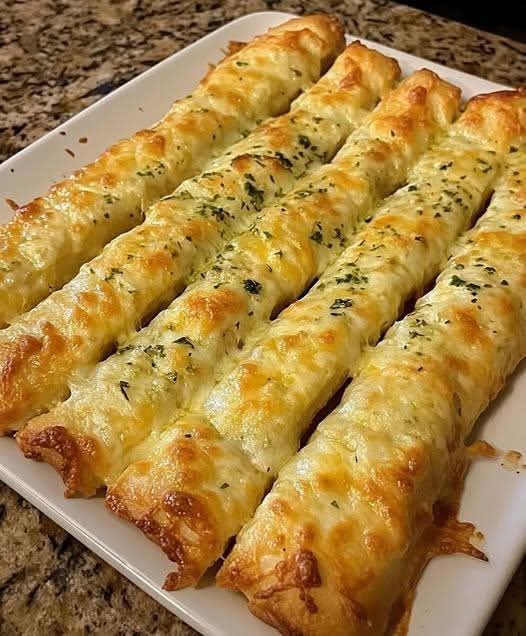
There is a particular magic that happens at the intersection of flour, yeast, garlic, and cheese. It’s an alchemy that transcends its humble ingredients, transforming them into one of the most universally craved, deeply comforting foods known to humankind: the cheesy garlic breadstick. This isn’t merely a side dish; it’s a destination. It’s the first thing your eyes scan for on a restaurant table, the recipe you crave when you need edible reassurance, and a project that turns any ordinary weeknight into a small, fragrant celebration.
But what separates a good breadstick from a legendary one? It’s not a secret held by chain restaurants. It’s a matter of understanding the simple, beautiful processes at play—the quiet work of yeast, the alchemy of heat, and the careful layering of robust flavors. This is an ode to that process, a deep dive into the craft of creating cheesy garlic breadsticks that are not just good, but unforgettable.
The Foundation – Understanding the Dough’s Soul
The journey to a perfect breadstick begins, as all great bread journeys do, with patience and fermentation. The dough is not merely a vehicle for toppings; it is the soul of the dish. A crisp-yet-chewy, flavorful base is what elevates this from cheesy bread to a culinary experience.
The Science of Simplicity:
A great breadstick dough needs only a few key players:flour, water, yeast, salt, a touch of sugar, and fat (usually olive oil). Each has a non-negotiable role.
· Flour & Water: Together, they form gluten. This protein network is the architecture of your breadstick. Proper kneading develops this network, giving the bread its satisfying, tensile chew.
· Yeast & Sugar: This is the life force. Yeast is a living organism that feeds on the sugar, producing carbon dioxide bubbles that get trapped in the gluten network. This is what makes the dough rise, creating an airy, light interior against a crisped exterior.
· Salt: Far more than a flavor enhancer, salt regulates the yeast’s activity and strengthens the gluten structure. It’s the disciplinarian that creates control and depth.
· Olive Oil: This is the tenderizer. It coats the gluten strands, preventing them from becoming too tough and contributing a subtle, fruity richness that distinguishes Italian-style breadsticks from their drier counterparts.
The Critical Ritual: Proofing
The single most common shortcut that leads to inferior results is skipping or rushing the proof,or rise. There are two proofs for a reason.
The First Proof (Bulk Fermentation): After kneading, the dough rests. This is where flavor is born. As the yeast works, it doesn’t just produce air; it produces a suite of organic acids and compounds that give well-risen bread its complex, slightly tangy, wheaty taste. Letting it double in size isn’t just about volume—it’s about developing character.
The Second Proof (After Shaping): Once you’ve rolled out your dough and placed it on the pan, you let it rest again for 15-20 minutes. This allows the tightened gluten to relax. If you skip this, the dough will fight you, shrinking back and baking up dense and tough. This short rest ensures it stays shaped and bakes up light.
The Heartbeat – Crafting the Garlic Infusion
If the dough is the soul, the garlic butter is the unmistakable heartbeat. This is where personality floods in. The goal is deep, pervasive garlic flavor without the harsh, raw bite or the sorrow of burnt, bitter cloves.
Technique is Everything:
The method matters more than the quantity.Simply melting butter and tossing in raw garlic is a common pitfall. The high heat can cause the delicate garlic to scorch in the oven, turning acrid.
· The Best Practice: Combine softened butter with minced raw garlic. The butter acts as a protective barrier, slowing the garlic’s exposure to direct oven heat. The garlic infuses the butter while baking, mellowing slightly but retaining its vibrant punch. This is the most reliable path to perfect garlic flavor.
· The Flavor-Enhancing Variations:
· The Sauté Method: For a sweeter, more rounded flavor, gently sauté the minced garlic in a portion of the butter until just fragrant and soft, then let it cool and mix it with the remaining softened butter. This tames the rawness and adds a layer of nutty complexity.
· The Roasted Garlic Method: For a profound, jammy, and sweet garlic essence, roast a whole head of garlic until caramelized, squeeze the soft cloves into your softened butter, and blend. This creates a sophisticated, mellow paste that is utterly divine.
· The Aromatics: Fresh parsley is non-negotiable. Its bright, grassy color and flavor cut through the richness and add a note of freshness. Don’t substitute dried here; the textural and visual pop of fresh is part of the experience.
The Crown – The Philosophy of Cheese
The cheese is the glorious, molten crown. But not all cheeses behave the same, and choice here dictates the final texture.
· The Melt (Mozzarella): You want a low-moisture, part-skim mozzarella. Why? It has less water than fresh mozzarella, so it melts into glorious, stretchy pools without releasing excess moisture that would make your breadstick base soggy. The part-skim variety also has better structure for browning without becoming an oily mess.
· The Punch (Parmesan): Parmesan, or better yet, Pecorino Romano, is the flavor amplifier. It brings salty, nutty, umami depth that mozzarella alone lacks. Always grate it fresh. Pre-grated cheese contains anti-caking agents (like potato starch or cellulose) that prevent it from melting as smoothly and can leave a gritty texture.
· The Optional Alliance: A small addition of a third cheese like sharp white cheddar, fontina, or asiago can add another layer of complexity. A sprinkle of mild, melty provolone is a fantastic addition.
A Critical Tip: The Two-Stage Bake
This is the master technique that guarantees perfection.You do not add the cheese at the start.
Bake the garlic-buttered dough alone until it is just set and starting to turn golden at the edges. This “par-bakes” the base, ensuring it is fully cooked and crisp—a defense against sogginess.
Then, and only then, add the cheese. Return it to the oven just until the cheese is melted, bubbly, and spotted with gold. This protects the cheese from overcooking, burning, or separating into grease.
The Recipe – A Blueprint for Joy
Here is the synthesis of all this knowledge—a detailed blueprint for cheesy garlic breadsticks worthy of center stage.
Ingredients:
For the Dough:
· 1 ½ cups warm water (105-115°F)
· 2 ¼ tsp (1 standard packet) active dry yeast
· 1 tbsp granulated sugar
· 3 ½ – 4 cups all-purpose flour, plus more for dusting
· 2 tbsp extra virgin olive oil
· 1 ½ tsp fine sea salt
For the Garlic Butter:
· ½ cup (1 stick) unsalted butter, softened to room temperature
· 4-5 large garlic cloves, finely minced
· ¼ cup finely chopped fresh parsley
· ½ tsp salt
For the Topping:
· 2 cups (8 oz) shredded low-moisture part-skim mozzarella
· 1 cup freshly grated Parmesan cheese
· Optional: 1 tsp dried oregano, ½ tsp red pepper flakes
Instructions:
Awaken the Yeast: In the bowl of a stand mixer fitted with a dough hook (or a large mixing bowl), combine the warm water, sugar, and yeast. Stir gently and let sit for 5-10 minutes until it becomes foamy and creamy. This “proofs” the yeast, confirming it’s active.
Make the Dough: To the yeast mixture, add 3 ½ cups of flour, olive oil, and salt. Mix on low speed (or stir with a wooden spoon) until a shaggy dough forms. If using a mixer, increase speed to medium and knead for 5-6 minutes. If kneading by hand, turn the dough onto a floured surface and knead for 7-8 minutes, adding the remaining ¼ cup of flour as needed to prevent sticking. The dough is ready when it is smooth, elastic, and springs back slowly when poked.
First Rise: Place the dough in a lightly oiled bowl, turning to coat. Cover with a damp kitchen towel or plastic wrap and place in a warm, draft-free spot. Let rise until doubled in size, about 1 to 1 ½ hours.
Prepare the Garlic Butter: While the dough rises, mix the softened butter, minced garlic, parsley, and ½ tsp salt in a small bowl until fully combined. Set aside.
Shape & Second Rise: Preheat oven to 400°F (200°C). Punch down the risen dough to release air. Turn it out onto a lightly floured surface. Roll or press the dough into a large rectangle (about 10×15 inches) and carefully transfer it to a parchment-lined baking sheet. Spread the garlic butter mixture evenly over the entire surface, going right to the edges. Let the shaped dough rest, uncovered, for 15-20 minutes.
Par-Bake the Base: Bake the garlic-buttered dough for 12-14 minutes, until the top is just set and the edges are beginning to turn a light golden brown. Remove from the oven (leave the oven on).
Add the Cheese & Finish: Evenly sprinkle the mozzarella and Parmesan cheeses (and oregano/red pepper flakes, if using) over the hot par-baked base. Return to the oven for 5-7 minutes, until the cheese is fully melted, bubbly, and has golden spots.
The Final Act: Remove from the oven and let cool on the pan for 5 minutes. This brief rest allows the cheese to set slightly, making slicing cleaner. Use a pizza cutter or sharp knife to slice into breadsticks. Serve immediately, while the pull of the cheese is at its most dramatic and the aroma is at its peak.
Beyond the Blueprint – The Art of Personalization
This recipe is a classic, but your kitchen is your studio. Here are ways to make it your own:
· The Herb Garden: Add finely chopped fresh rosemary, thyme, or chives to the garlic butter.
· The Spice Route: A drizzle of truffle oil after baking, or a sprinkle of everything bagel seasoning with the cheese.
· The Dipping Symphony: While they stand gloriously alone, consider companion sauces: a quick marinara, a creamy ranch, a balsamic glaze reduction, or a spicy honey.
· The Shape-Shifter: Don’t have a baking sheet? Press the dough into a greased cast-iron skillet for a “pull-apart” style. Or, cut the dough into individual strips before the second rise for defined, separate breadsticks.
The Simple Truth in a Baking Sheet
In a world of complex recipes and food trends, the cheesy garlic breadstick remains a testament to the power of simple things done well. It’s a food that speaks directly to our senses: the sound of a crisp exterior giving way, the sight of a cheese pull stretching for inches, the smell of roasting garlic that fills a house with warmth, and of course, the timeless taste of comfort.
Making them from scratch is more than cooking; it’s a small act of love and craftsmanship. It connects us to the ancient magic of turning grain and water into sustenance, now joyfully adorned. So, gather your ingredients, embrace the gentle pace of the proof, and prepare to create not just a snack, but a moment—a golden, cheesy, garlicky moment of pure, unadulterated delight.
More Recipes You Might Like
-

Cheesy Potato Patties 😋 – Crispy, Golden, and Irresistibly Cheesy If you’re looking for a high-RPM comfort food recipe that gets clicks, saves, and repeat cooks, Cheesy Potato Patties are a guaranteed winner. Crispy on the outside, soft and fluffy on the inside, and loaded with melty cheese—this recipe checks every box readers love: easy…
-
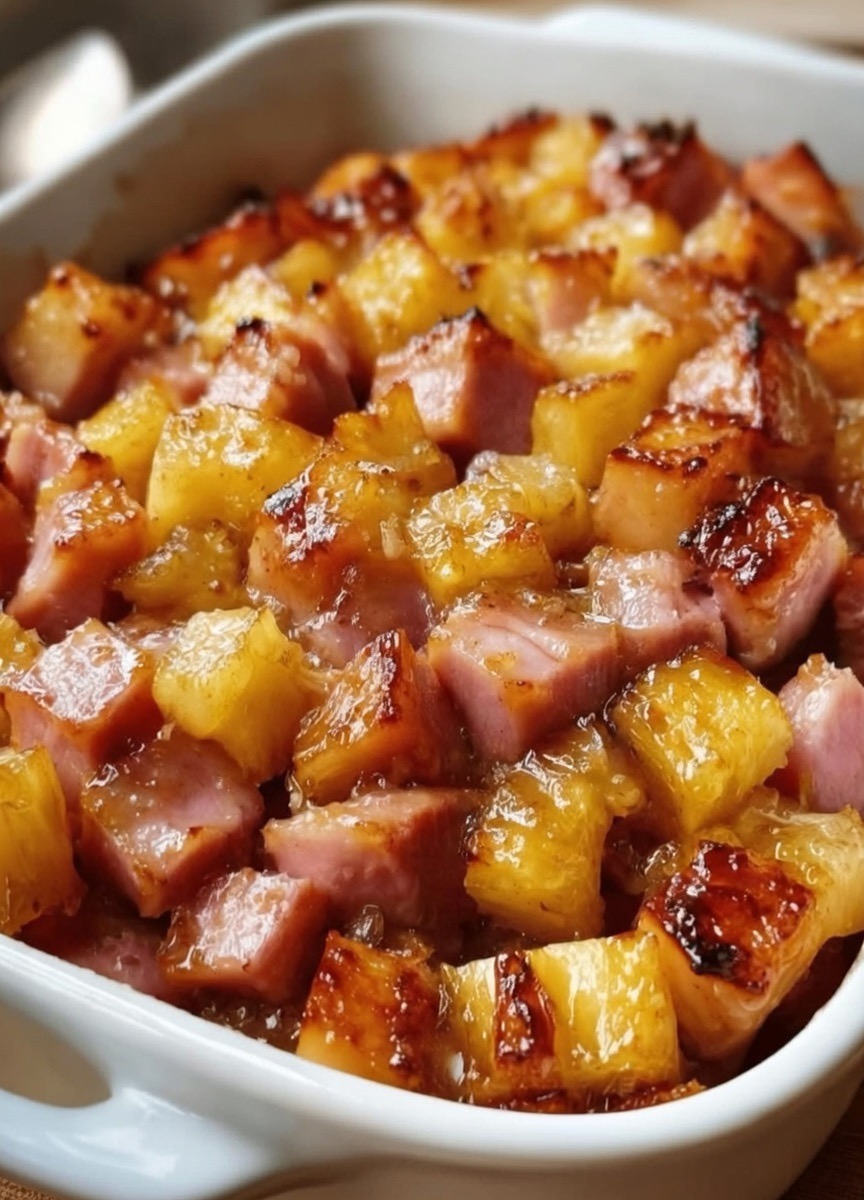
Brown Sugar Pineapple Ham Bake 😋 – The Ultimate Sweet & Savory Comfort Dish If you’re searching for a high-RPM, comfort-food recipe that people love clicking, saving, and cooking again and again, this Brown Sugar Pineapple Ham Bake is it. Sweet, sticky brown sugar. Juicy pineapple. Tender, savory ham. Baked together into one irresistible dish…
-
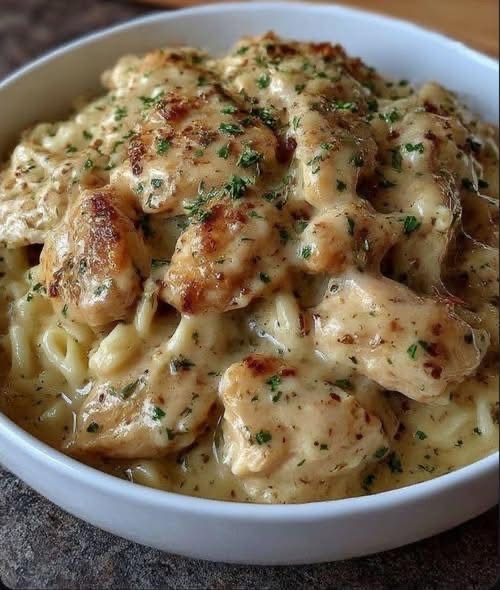
Angel Chicken Pasta – The Creamy Comfort Food That Everyone Loves
Few dishes feel as comforting, indulgent, and crowd-pleasing as Angel Chicken Pasta. This creamy, slow-cooked chicken pasta recipe has earned its name because it’s truly heavenly—rich, velvety sauce, tender chicken, and perfectly cooked pasta all coming together in one unforgettable meal. Angel Chicken Pasta is one of those recipes that never goes out of style.…