
There is a moment of pure bakery bliss when you tear open a roll and are met not with a crumb, but with a cloud—a tender, feather-light, impossibly soft interior that’s rich with the flavor of butter and eggs, encased in a thin, glossy, golden shell. This is the magic of a true brioche roll. While the word “brioche” might sound intimidatingly French and technical, these Milk Brioche Rolls are an achievable dream for any home baker.
This recipe demystifies the process, guiding you to create professional-quality, pull-apart soft rolls that are far superior to any store-bought version. They are the ultimate enriched dough, meaning they’re lavished with butter, eggs, and milk for unrivaled flavor and texture. Perfect as gourmet burger buns, an elegant dinner roll for holidays, or simply slathered with jam for a decadent breakfast, mastering this recipe is a rite of passage.
Get ready to fill your kitchen with the sublime aroma of baking butter and yeast. We’ll walk through each step slowly, from the first mix to the final glossy egg wash, ensuring you understand the why behind the process for foolproof results every time. Let’s bake the softest, most luxurious rolls of your life.
The Soul of Brioche: Understanding the Enriched Dough
Before you crack the first egg, it’s crucial to understand what makes brioche unique. This isn’t a standard bread dough; it’s a delicate balance of science and patience.
- The Enrichment Principle: Unlike lean breads (like a baguette), brioche is an enriched dough. The high amounts of butter, eggs, and milk do three things:
· Butter & Eggs = Tenderness & Richness: They coat the flour’s gluten strands, inhibiting a tough network and creating that signature soft, cake-like, yellow crumb.
· Milk = Softness & Flavor: Milk softens the crumb and adds a subtle sweetness and depth that water cannot provide.
· Sugar = Food & Color: Sugar feeds the yeast and promotes a beautiful, deep golden brown crust during baking.
The Temperature Dance: Butter is both the star and the potential villain. It must be incorporated cold into a developed dough to create tiny, solid pockets that melt during baking, leaving behind airiness. If the butter or dough becomes too warm, it will turn greasy and refuse to rise properly. Temperature control is paramount.
The Long, Slow Rise: Enriched doughs rise more slowly. The fat weighs down the yeast activity. This is not a 60-minute bread. A slow, cold rise (often in the refrigerator) develops superior flavor and makes the rich, soft dough much easier to handle.
The Reward: The result is a roll with a tight, tender, and incredibly moist crumb, a fragile, slightly crisp, golden shell, and a flavor that is deeply satisfying and subtly sweet.
Gathering Your Ingredients: A Checklist for Success
Precision matters in baking. Use a kitchen scale for the best results. All ingredients should be at the temperature specified.
For the Brioche Dough:
· 500g (about 4 cups, spooned & leveled) bread flour: High-protein bread flour provides the necessary structure to support all the butter and eggs. All-purpose can be used in a pinch, but bread flour is ideal.
· 7g (2 ¼ tsp) instant yeast or active dry yeast: Instant yeast can be mixed directly with the flour. If using active dry, proof it in the warm milk first.
· 50g (¼ cup) granulated sugar
· 9g (1 ½ tsp) fine sea salt
· 5 large eggs, cold: Yes, cold! This helps control dough temperature.
· 120ml (½ cup) whole milk, cold
· 226g (2 sticks / 1 cup) unsalted butter, cold, cubed: This is non-negotiable. European-style butter (higher fat) yields an even more luxurious result.
For Finishing:
· 1 egg, beaten with 1 tbsp water or milk (for egg wash)
· Sesame seeds, poppy seeds, or flaky sea salt (for topping)
This homemade brioche recipe creates the ultimate soft dinner rolls for holiday meals and gourmet burger buns for summer. They’re a make-ahead baking project perfect for special occasions, and the step-by-step guide ensures bakery-quality results every time.
Dietary Modification Spotlight:
· Dairy-Free: Use a rich, creamy plant-based milk and a high-quality, firm vegan butter stick (like Miyoko’s or European-style plant butter).
· Egg-Free: This is very challenging for brioche, as eggs provide crucial structure and color. Egg substitutes may not yield the same classic texture.
Essential Kitchen Tools You’ll Need
· Stand Mixer with Dough Hook: Highly, highly recommended. Brioche dough is very sticky and rich, requiring 15-20 minutes of mixing. Hand kneading is possible but extremely labor-intensive.
· Kitchen Scale: For precise measurements.
· Bench Scraper: For handling the sticky dough.
· Rolling Pin
· 9×13 inch Baking Pan or two round cake pans (for pull-apart rolls)
· Parchment Paper
· Pastry Brush
· Instant-Read Thermometer (optional but helpful to check dough temp)
Step-by-Step Instructions: The Path to Brioche Brilliance
Prep Time: 45 mins + Mixing | Rise Time: 4-16 hours | Bake Time: 20-25 mins | Total Time: 5+ hours | Yields: 12-15 rolls
Step 1: Combine the Base (The “Tangzhong” Optional Boost)
For ultimate softness that lasts for days, consider a Tangzhong:
Mix 35g bread flour with 175g milk/water in a saucepan.Cook over medium-low, whisking, until a thick paste forms. Cool to room temp before adding it to the dough with the other wet ingredients.
Step 2: Mix the Dough (The Foundation)
In the bowl of your stand mixer fitted with the dough hook,combine the flour, yeast, sugar, and salt. Mix briefly. With the mixer on low, add the 5 cold eggs and cold milk (and Tangzhong, if using). Mix until a shaggy dough forms, about 2-3 minutes.
Step 3: Develop the Gluten (The “Clean the Bowl” Stage)
Increase speed to medium(setting 4 on a KitchenAid). Knead for 8-12 minutes. The dough will be very sticky at first, but will eventually slap against the sides of the bowl, begin to pull away, and become smoother. It may not completely clean the bowl—that’s okay. The dough should be very elastic and pass the “windowpane test”: stretch a small piece thinly enough to see light through it without tearing.
Step 4: Incorporate the Butter (The Slow Addition)
With the mixer on medium-low,begin adding the cold, cubed butter, one piece at a time. Wait until each piece is almost fully incorporated before adding the next. This process should take 8-10 minutes. The dough will become very soft, shiny, and will stick to the bowl again—this is correct.
Step 5: The First Rise & Chill
Once all butter is incorporated,scrape the very soft, sticky dough into a lightly buttered bowl. Cover tightly with plastic wrap.
· Option A (Same Day): Let rise at room temperature until just about doubled, about 1.5-2 hours. Then, punch down, cover, and refrigerate for at least 2 hours (or up to 24) to firm up.
· Option B (Overnight, Recommended): Place the bowl directly in the refrigerator for a slow, cold first rise for 8-16 hours. This develops incredible flavor and makes the dough a dream to shape.
Step 6: Shape the Rolls
Turn the cold,firm dough out onto a lightly floured surface. Using a bench scraper and scale, divide into 12-15 equal pieces (about 85g each). To shape: cup your hand over a piece, and using a circular motion on an un-floured part of the counter, roll it into a tight, smooth ball. Place shaped rolls seam-side down in a parchment-lined baking pan, spacing them about ½ inch apart for pull-apart rolls.
Step 7: The Final Proof
Cover the pan loosely with plastic wrap or a damp towel.Let the rolls rise in a warm place until they are very puffy, have filled the pan, and spring back slowly when gently poked, about 1.5-2.5 hours. They should look noticeably jiggly.
Step 8: Bake to Golden Perfection
Preheat oven to375°F (190°C). Gently brush the risen rolls with the egg wash. Sprinkle with seeds or salt, if desired. Bake for 18-25 minutes, rotating pan halfway, until the tops are a deep, glossy golden brown and the internal temperature reaches 190°F (88°C).
Step 9: The Essential Cool
Immediately transfer the rolls from the pan to a wire rack.Let them cool for at least 30 minutes before tearing in. The structure is still setting!
Pro Chef Tips & Common Mistakes to Avoid
· Cold Ingredients are Key: Using cold eggs, milk, and butter prevents the dough from overheating during the long mix, which would melt the butter and ruin the texture.
· Patience with the Butter: Adding butter too quickly will cause the dough to separate and become greasy. Slow and steady wins the race.
· Don’t Skimp on Mixing Time: Proper gluten development before adding butter is crucial to hold all that fat.
· The Chill is Non-Negotiable: Attempting to shape soft, warm brioche dough is a sticky, frustrating mess. A cold dough is manageable dough.
· Common Mistake: Under-proofing. Because it’s rich, brioche needs a long, full final proof. Be patient; it’s worth it.
· The Windowpane Test: This is your best indicator that the gluten is ready for the butter.
Creative Twists & Variations
Brioche Burger Buns: Shape into 6 larger balls (110g each), flatten slightly, and proof on a parchment-lined sheet pan. Bake as directed.
Chocolate Chip Brioche: Knead in 1 cup of mini chocolate chips during the final minute of mixing.
Savory Herb & Garlic: Add 2 tbsp chopped fresh herbs (rosemary, thyme) and 1 tbsp garlic powder to the dry ingredients.
Cinnamon Sugar Swirl: Roll the dough into a rectangle, brush with melted butter, and sprinkle with cinnamon sugar. Roll up, slice, and proof in the pan for pull-apart cinnamon rolls.
Brioche à Tête: Shape into traditional fluted brioche molds with a small topknot.
Serving Suggestions & Pairing Ideas
· The Ultimate Burger Vessel: Strong enough to hold a juicy patty yet soft enough to melt in your mouth.
· Holiday Feast Essential: Serve warm with salted butter.
· Breakfast Luxury: Toast lightly and serve with jam, honey, or nut butter.
· French Toast Perfection: Use day-old rolls for the most decadent French toast imaginable.
· With Soup or Stew: The ideal tool for soaking up every last drop.
Storing, Freezing, and Reheating Instructions
· Storing: Keep in a paper bag at room temperature for 1-2 days for best texture. After that, they are best toasted. Do not store in plastic, as it makes the crust soft.
· Freezing: Freeze baked and cooled rolls in a single layer, then transfer to a freezer bag for up to 3 months.
· Reheating: Thaw at room temp. Refresh in a 350°F (175°C) oven for 5-8 minutes or toast.
Frequently Asked Questions (FAQ)
Q: My dough is a sticky, greasy mess. What happened?
A:The dough likely became too warm, causing the butter to melt and separate. Next time, ensure all ingredients are cold and mix in a cool kitchen. If it happens, you can try chilling the bowl and dough for 30 minutes before continuing to mix.
Q: Can I make this by hand?
A:Yes, but be prepared for a serious upper-body workout. Use a sturdy wooden spoon and then your hands. The process and times are the same; it will just take more effort to achieve the windowpane stage.
Q: Why didn’t my rolls rise much?
A:The yeast may have been old, the butter may have been too warm and killed the yeast, or (most commonly) the dough was under-proofed. Ensure your yeast is fresh and give it plenty of time for the final proof.
Q: Can I use all-purpose flour?
A:You can, but the rolls may be slightly less structured and a bit more cakey. Bread flour is highly recommended.
Q: How do I get that super glossy top?
A:A thorough, even egg wash just before baking is key. A double egg wash (one before proofing, one after) is a professional trick for extreme shine.
Conclusion: The Rewarding Art of Enriched Bread
Making Milk Brioche Rolls is a commitment—a delicious, rewarding commitment. It teaches you about temperature control, gluten development, and the transformative power of time and quality ingredients. The moment you pull that pan of deeply golden, impossibly soft rolls from your own oven is a moment of pure baking triumph.
These rolls aren’t just bread; they’re an experience. They elevate every meal they accompany and showcase the beautiful art of homemade baking.
Now, I’d love to hear from you: Will you use these for burgers, holidays, or French toast? What’s your biggest fear or success with enriched dough? Share your baking stories and results in the comments below! And if this guide gives you the confidence to create bakery magic at home, please share it with a friend and pin it for your next baking project.
More Recipes You Might Like
-

Cheesy Potato Patties 😋 – Crispy, Golden, and Irresistibly Cheesy If you’re looking for a high-RPM comfort food recipe that gets clicks, saves, and repeat cooks, Cheesy Potato Patties are a guaranteed winner. Crispy on the outside, soft and fluffy on the inside, and loaded with melty cheese—this recipe checks every box readers love: easy…
-
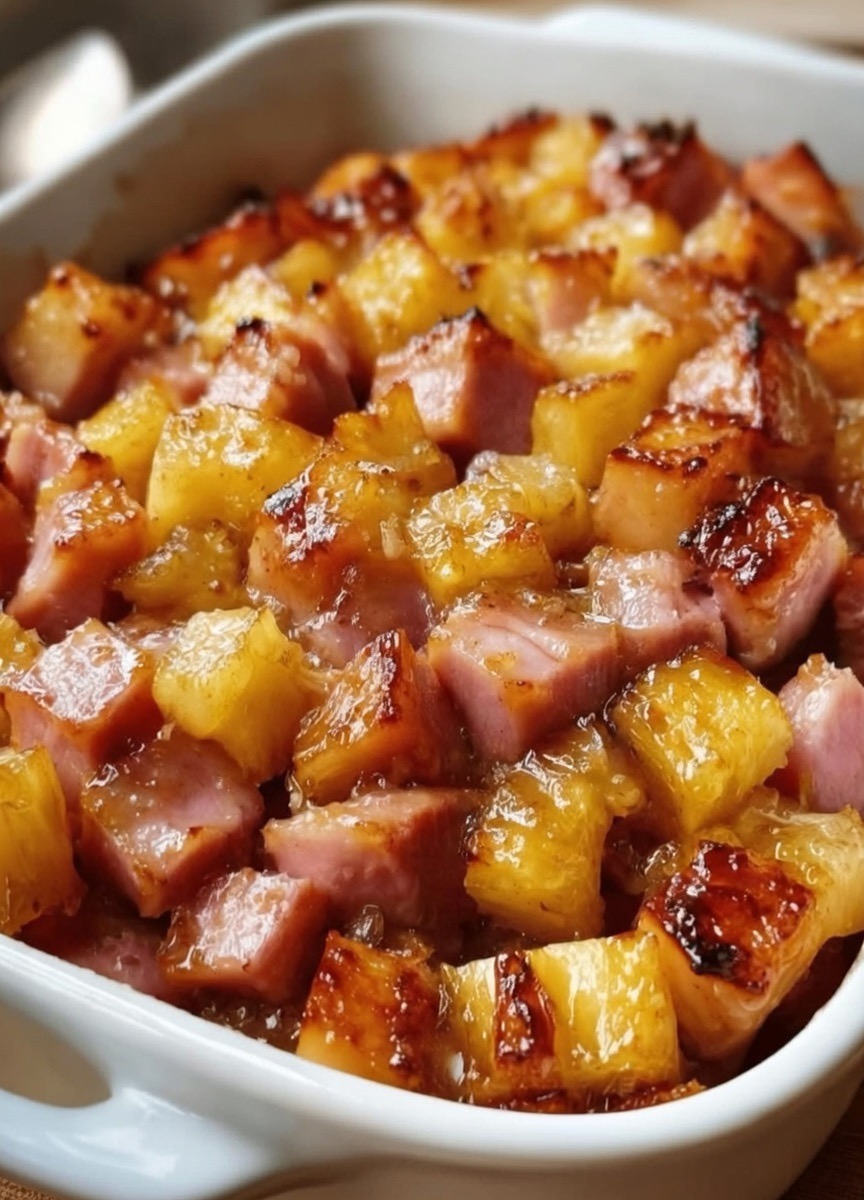
Brown Sugar Pineapple Ham Bake 😋 – The Ultimate Sweet & Savory Comfort Dish If you’re searching for a high-RPM, comfort-food recipe that people love clicking, saving, and cooking again and again, this Brown Sugar Pineapple Ham Bake is it. Sweet, sticky brown sugar. Juicy pineapple. Tender, savory ham. Baked together into one irresistible dish…
-

Angel Chicken Pasta – The Creamy Comfort Food That Everyone Loves
Few dishes feel as comforting, indulgent, and crowd-pleasing as Angel Chicken Pasta. This creamy, slow-cooked chicken pasta recipe has earned its name because it’s truly heavenly—rich, velvety sauce, tender chicken, and perfectly cooked pasta all coming together in one unforgettable meal. Angel Chicken Pasta is one of those recipes that never goes out of style.…