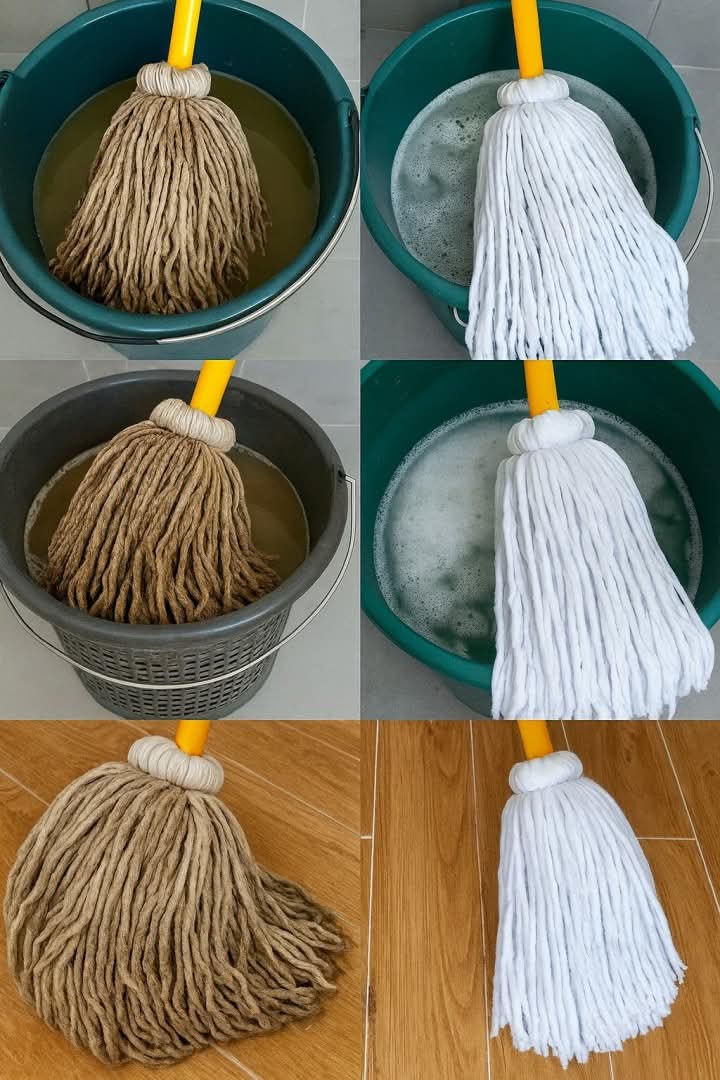
We’ve all been there. You look at your mop head and see a dingy, stained, smelly mess that looks like it’s been through a swamp. Your first thought might be, “It’s done for—time to toss it and buy a new one.” Stop right there! Throwing away a dirty mop is wasteful and unnecessary. With the right method, you can restore even the grimiest mop to a fresh, clean state, saving you money and keeping one more item out of the landfill.
A dirty mop isn’t just an eyesore; it’s counterproductive. You’re spreading old grime and bacteria around your floors instead of cleaning them. But before you declare it a loss, try this powerful, multi-step cleaning method that works on microfiber, cotton, sponge, and string mops. Get ready to give your mop a second life!
Why a Clean Mop is Non-Negotiable
Think of your mop as a tool, not a disposable item. A clean mop:
· Actually Cleans: It picks up dirt instead of redepositing it.
· Eliminates Odors: Kills the mildew and bacteria causing that sour smell.
· Lasts Longer: Proper care extends its lifespan by months or years.
· Saves Money: No frequent trips to the store for replacements.
What You’ll Need: The Cleaning Arsenal
Gather these simple, inexpensive items—you likely have most at home already.
· Rubber Gloves (to protect your hands)
· A Large Bucket, Utility Sink, or Bathtub
· Hot Water (as hot as your tap can produce)
· White Vinegar (a natural disinfectant and deodorizer)
· Baking Soda (for scrubbing power and odor neutralization)
· Liquid Laundry Detergent or Dish Soap (to cut through grease and grime)
· Hydrogen Peroxide or Oxygen-Based Bleach (like OxiClean) for tough stains and disinfecting (optional, but great for white mop heads)
· An Old Toothbrush or Small Scrub Brush
· A Well-Ventilated Area or Outdoor Space (for drying)
Step-by-Step: How to Deep Clean Any Mop
Follow this sequence for best results. For microfiber and cloth mop heads, you can often remove the head and machine wash it (check the tag). This method is the ultimate hand-wash for all types, especially fixed mops.
Step 1: The Pre-Rinse & Shake
Take the mop outside or over a large trash can. Wear your gloves. Shake, beat, or scrape off as much loose dirt, hair, and debris as possible. Rinse it thoroughly under the hottest tap water you have to remove surface grime.
Step 2: The Super-Charged Soak (The Game Changer)
Fill your bucket or sink with very hot water. Add the following:
· 1 cup of white vinegar
· ½ cup of baking soda (it will fizz—that’s good!)
· A generous squirt of laundry detergent or dish soap
· For heavy stains/disinfection: Add ½ cup of hydrogen peroxide or a scoop of oxygen-based bleach.
Submerge the entire mop head. Use a long spoon or stick to push it down. Let it soak for at least 1-2 hours, or even overnight for severe dirt and mildew. The hot, acidic, soapy solution will break down grease, kill bacteria, and loosen embedded dirt.
Step 3: The Agitation & Scrub
After soaking, the water will likely look dark and murky. Drain it. Under running warm water, vigorously agitate the mop head with your hands. For stubborn spots, use the old toothbrush to scrub the dirtiest areas. Pay special attention to the top where it attaches to the handle—a prime spot for hidden gunk.
Step 4: The Rinse-Out
This is crucial. Rinse, rinse, and rinse again under clean, running water until the water runs completely clear and you see no more soap suds. Any leftover soap will attract dirt faster next time you mop.
Step 5: The Final Disinfecting Rinse (Optional but Recommended)
For peace of mind, give it a final soak or rinse in a solution of 1 part vinegar to 4 parts cool water for 10 minutes. Vinegar is a natural disinfectant and will help eliminate any lingering odors.
Step 6: Drying Thoroughly—The Key to Preventing Mildew
This is the most important step to keep your mop fresh. Never wring a microfiber mop head tightly, as it can damage the fibers. Instead, press out excess water.
· Best Method: Hang the mop to dry in direct sunlight if possible. The sun is a natural disinfectant and bleach.
· Good Method: Hang it in a well-ventilated area, ideally over a drip pan or shower rod, ensuring air can circulate all around it.
· Ensure it is 100% bone-dry before storing it. A damp mop in a dark closet is a mildew factory.
Pro Tips for Specific Mop Types
· Microfiber Mops: If removable, secure with a hair tie or in a delicates bag and machine wash in warm water with detergent and vinegar (no fabric softener!). Tumble dry low or air dry.
· Sponge Mops: Squeeze the soaking solution through the sponge repeatedly during Step 2. Check for a removable squeegee and clean it separately.
· String/Cotton Mops: These can hold the most grime. Be patient with soaking and rinsing. You may need to repeat the soak cycle for extremely dirty mops.
How to Keep Your Mop Cleaner, Longer
· Rinse After Every Use: Get in the habit of giving your mop a quick, clean-water rinse and wring after mopping.
· Use the Right Cleaner: Avoid using overly waxy floor cleaners or super-strong bleach regularly, as they can build up on mop fibers.
· Dry Properly Every Time: Don’t just lean it in a corner. Make hanging it to dry part of your cleanup routine.
· Store It Right: Hang it or store it head-up in a ventilated area, not jammed in a bucket.
When Is It Actually Time to Replace a Mop?
Even with the best care, mops don’t last forever. Replace your mop head or entire mop when:
· The fibers are frayed, falling apart, or no longer absorbing liquid.
· It has a permanent, unreachable mold or mildew spot.
· The sponge is crumbling or hardened.
· The mechanism (e.g., spin function) is broken.
Conclusion: Don’t Toss It—Transform It!
A dirty mop is a problem with a perfectly good solution. This deep-cleaning method takes a little time but saves you money, reduces waste, and ensures your floors are truly clean. Think of it as essential maintenance for your cleaning tools.
Give it a try this weekend! You might be shocked at how much dirt comes out of something you thought was “clean,” and even more amazed at how fresh and like-new your old mop can look and perform.
Now, I’d love to hear from you: What’s your best household cleaning hack? Did this method revive your “hopeless” mop? Share your tips and success stories in the comments below—and if you found this guide helpful, please share it with a friend who might be ready to toss their mop!
More Recipes You Might Like
-

Cheesy Potato Patties 😋 – Crispy, Golden, and Irresistibly Cheesy If you’re looking for a high-RPM comfort food recipe that gets clicks, saves, and repeat cooks, Cheesy Potato Patties are a guaranteed winner. Crispy on the outside, soft and fluffy on the inside, and loaded with melty cheese—this recipe checks every box readers love: easy…
-

Brown Sugar Pineapple Ham Bake 😋 – The Ultimate Sweet & Savory Comfort Dish If you’re searching for a high-RPM, comfort-food recipe that people love clicking, saving, and cooking again and again, this Brown Sugar Pineapple Ham Bake is it. Sweet, sticky brown sugar. Juicy pineapple. Tender, savory ham. Baked together into one irresistible dish…
-

Angel Chicken Pasta – The Creamy Comfort Food That Everyone Loves
Few dishes feel as comforting, indulgent, and crowd-pleasing as Angel Chicken Pasta. This creamy, slow-cooked chicken pasta recipe has earned its name because it’s truly heavenly—rich, velvety sauce, tender chicken, and perfectly cooked pasta all coming together in one unforgettable meal. Angel Chicken Pasta is one of those recipes that never goes out of style.…