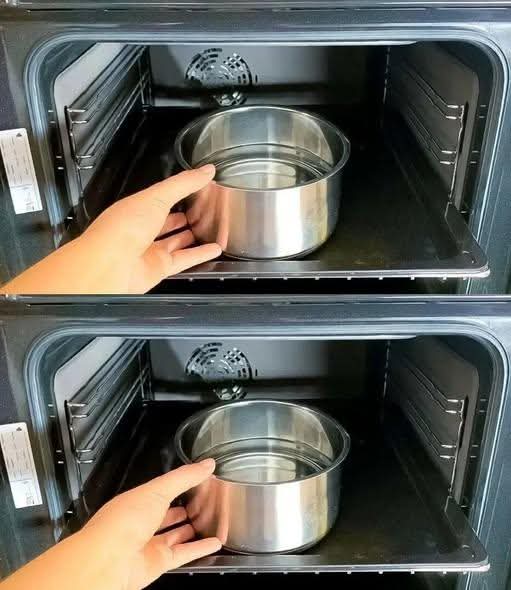
Forget harsh chemicals! Learn how to clean your oven naturally with baking soda and vinegar. This easy, non-toxic oven cleaning hack removes baked-on grease and grime with ingredients you already have. A sparkling clean oven in 3 simple steps!
There’s a moment of truth every home cook faces: peering into an oven caked with the ghost of dinners past—a splatter of last month’s lasagna, a drizzle of spilled pie filling now carbonized, a fine dusting of crumbs turned to ash. The thought of cleaning it conjures images of rubber gloves, choking chemical fumes, and tedious scrubbing. But what if you could achieve a sparkling, food-safe clean using two humble ingredients already in your pantry? Welcome to the ultimate natural oven cleaning solution—a powerful, non-toxic method that leverages simple chemistry to dissolve grease and grime without the toxic residue.
This isn’t just another cleaning tip; it’s a game-changer for maintaining a healthy kitchen. Commercial oven cleaners often contain lye (sodium hydroxide) and aerosolized chemicals that can irritate your skin, eyes, and lungs. By using baking soda (sodium bicarbonate) and white vinegar (acetic acid), you create a safe, effective cleaning paste and a powerful degreasing reaction that does the heavy lifting for you. It’s a budget-friendly, eco-conscious approach that delivers impressive results with a little patience. Let’s transform that daunting chore into a satisfying, chemical-free victory.
Why This Natural Oven Cleaning Method Wins
· Non-Toxic & Food-Safe: No caustic fumes or chemical residues near where you cook your food. Safe for homes with kids, pets, or anyone with chemical sensitivities.
· Extremely Cost-Effective: Baking soda and vinegar are pennies per cleaning compared to expensive branded sprays.
· Effective on Baked-On Grime: The paste acts as a gentle abrasive and grease-cutting agent, while the vinegar reaction helps loosen the toughest spots.
· Versatile: The same paste can be used on oven racks, stove drip pans, and even inside microwaves.
· Eco-Friendly: Reduces plastic packaging and prevents harsh chemicals from entering the water supply.
The Simple Science: How Baking Soda & Vinegar Work Their Magic
This method works in two powerful phases:
The Paste (The Degreaser & Abrasive): Baking soda mixed with water forms a mildly alkaline paste. This paste breaks down fatty acids in grease and food soils through a process called saponification (turning fat into soap). As it sits, it slowly penetrates and loosens the grime. Its fine, gritty texture also provides gentle mechanical scrubbing power.
The Vinegar (The Reactant & Deodorizer): White vinegar is a mild acid. When sprayed onto the baking soda paste, it creates an effervescent chemical reaction (the famous fizz!). This reaction helps to further break down grime and lift it away from the oven surface. Vinegar is also a natural deodorizer, eliminating any lingering burnt smells.
What You’ll Need: Your Natural Cleaning Arsenal
· 1 Box of Baking Soda (Sodium Bicarbonate): The primary cleaning agent.
· 1-2 Cups of White Distilled Vinegar: For the reaction and final wipe-down.
· Water: To make the paste.
· A Small Bowl & Spoon for mixing.
· A Spray Bottle for the vinegar.
· Microfiber Cloths or Old Rag Towels: For wiping. Avoid abrasive scouring pads.
· A Plastic Scraper or Old Credit Card (for very tough, thick spots only).
· Rubber Gloves (optional, to keep hands dry).
Step-by-Step: The Foolproof Natural Oven Clean
Phase 1: Preparation & Application (Evening)
Remove Racks & Accessories: Take out oven racks, the oven floor panel (if removable), and any drip pans. Set them aside. We’ll clean these separately with the same paste.
Make the Cleaning Paste: In your bowl, mix ½ cup of baking soda with just enough water (2-3 tbsp) to form a thick, spreadable paste with the consistency of frosting.
Apply the Paste: Using your hands (gloved or not) or a spoon, smear a thick, even layer of the paste over the entire interior of the oven. Avoid the heating elements. Focus extra paste on areas with heavy, baked-on grease or carbon deposits. You don’t need to scrub yet—just coat it.
Let it Work Overnight: Close the oven door and let the paste sit for at least 12 hours, or overnight. This dwell time is crucial. The paste will dry out and turn a lighter color, working to dissolve the grime.
Phase 2: The Reaction & Wipe-Down (Morning)
Prepare the Vinegar Spray: Fill your spray bottle with undiluted white vinegar.
Spray & Fizz: Liberally spray the dried baking soda paste with vinegar. Watch it fizz and bubble! This reaction is helping to lift the grime. Let it fizz for 5-10 minutes.
Wipe Out the Oven: Use your damp microfiber cloth to wipe away the paste. The grime should come off relatively easily. For stubborn spots, you can:
· Apply a small amount of fresh paste directly to the spot, spray with vinegar, and let it sit for 15 minutes.
· Gently use the plastic scraper to lift off thick gunk, being careful not to scratch the surface.
Rinse & Polish: Dampen a clean cloth with plain water and wipe down the entire interior to remove any remaining paste or vinegar residue. Dry with another clean cloth. Your oven should now be gleaming.
Phase 3: Cleaning the Racks & Accessories
Treat the Racks: For oven racks, you can use the same paste method in a bathtub or large sink. Coat them with paste, let sit for a few hours, then spray with vinegar and scrub with a cloth. For extreme grease, boiling them in a large pot with a ½ cup of baking soda for 15-20 minutes is incredibly effective (then rinse).
Final Check: Ensure all paste residue is gone from the heating elements. Return the clean racks and accessories to the oven.
Pro Tips for Stubborn Stains & Maintenance
· For “Self-Cleaning” Ovens: Do NOT use this paste method on the self-cleaning liner, as it can damage the special porous coating. Use it only on the door and side walls, and consult your manual.
· Extreme Burnt-On Spills: For a single, stubborn spill, make a poultice: apply a very thick layer of paste just to the spot, cover it with a damp paper towel, and let it sit for 24 hours before spraying and wiping.
· Prevent Future Buildup: Place a baking sheet lined with foil on the rack below dishes that are likely to bubble over (casseroles, pies). Wipe up fresh spills (once the oven is cool) with a damp cloth.
· Monthly Maintenance: After a big cooking month, do a quick “refresh”: wipe the interior with a 1:1 vinegar-water solution to cut light grease and prevent heavy buildup.
Safety First: Important Considerations
· ALWAYS ensure the oven is completely COOL and turned OFF before starting.
· Never mix baking soda and vinegar with store-bought chemical cleaners.
· Ventilate the area by opening a kitchen window while wiping to manage the vinegar smell.
· Test a small, inconspicuous area first if you have an older oven or are concerned about the finish.
The Final Wipe: A Cleaner, Greener Kitchen
Using this natural method does more than just clean your oven; it reclaims your kitchen as a non-toxic space. The process is satisfying, safe, and proves that powerful cleaning doesn’t require a chemistry set of harsh ingredients. You’ll enjoy not just a visually clean oven, but the peace of mind that comes with it.
Conclusion: Your Oven, Naturally Reborn
Armed with a box of baking soda and a bottle of vinegar, you now have the power to tackle one of the home’s most dreaded chores safely and effectively. This method rewards patience with impressive results and a fresh, chemical-free start for your next culinary creation.
So, roll up your sleeves, mix that paste, and give your oven the natural deep clean it deserves. Your future roasted vegetables and perfectly baked cookies will thank you.
Tried this natural cleaning hack? Share your success! Leave a comment below with your before-and-after experience or any clever twists you added. Pin this guide on Pinterest to your “Home Hacks” board for your next cleaning day!
More Recipes You Might Like
-

Cheesy Potato Patties 😋 – Crispy, Golden, and Irresistibly Cheesy If you’re looking for a high-RPM comfort food recipe that gets clicks, saves, and repeat cooks, Cheesy Potato Patties are a guaranteed winner. Crispy on the outside, soft and fluffy on the inside, and loaded with melty cheese—this recipe checks every box readers love: easy…
-

Brown Sugar Pineapple Ham Bake 😋 – The Ultimate Sweet & Savory Comfort Dish If you’re searching for a high-RPM, comfort-food recipe that people love clicking, saving, and cooking again and again, this Brown Sugar Pineapple Ham Bake is it. Sweet, sticky brown sugar. Juicy pineapple. Tender, savory ham. Baked together into one irresistible dish…
-

Angel Chicken Pasta – The Creamy Comfort Food That Everyone Loves
Few dishes feel as comforting, indulgent, and crowd-pleasing as Angel Chicken Pasta. This creamy, slow-cooked chicken pasta recipe has earned its name because it’s truly heavenly—rich, velvety sauce, tender chicken, and perfectly cooked pasta all coming together in one unforgettable meal. Angel Chicken Pasta is one of those recipes that never goes out of style.…