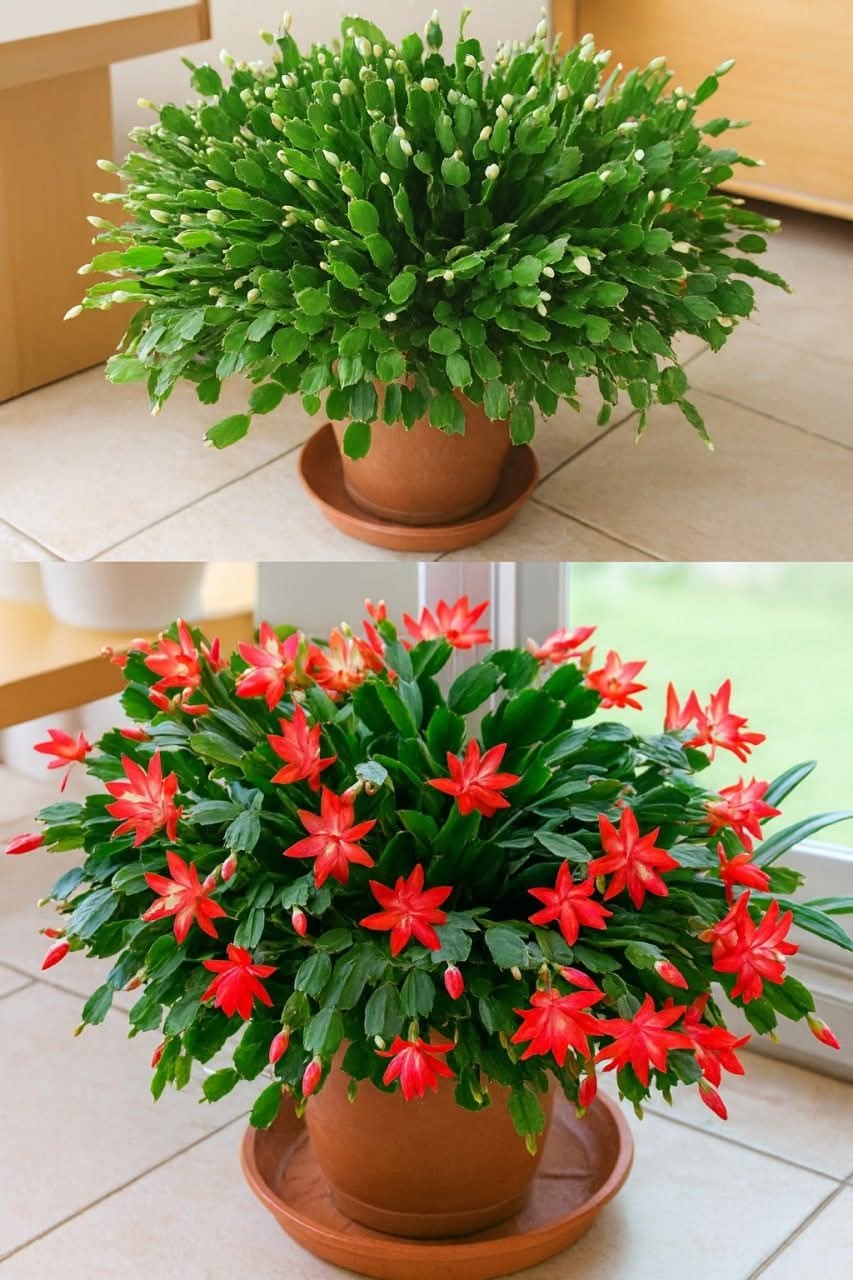
Unlock the secrets of Christmas cactus care! Learn how to water, fertilize, and trigger blooms for your holiday cactus to keep it thriving all year long. Simple tips for reblooming succulents and common plant problems solved.
Tucked among the poinsettias and evergreen boughs, the Christmas cactus (Schlumbergera bridgesii) stands out as a holiday icon with a secret: it’s not a one-season wonder. With cascading, segmented stems and stunning, tubular flowers in shades of fuchsia, red, white, or peach, this plant is a gift that keeps on giving—if you know its language. Unlike its desert-dwelling cousins, this cactus is an epiphyte from the tropical rainforests of Brazil, thriving in the dappled light and humid canopy. This unique heritage is the key to understanding its care.
Many people enjoy a glorious bloom during the holidays, only to watch their cactus become a quiet, green fixture the rest of the year. But what if you could coax it into a vibrant, repeating performance? With the right care rhythm—mimicking the light, temperature, and moisture cycles of its native habitat—your Christmas cactus can become a resilient, blooming companion for decades. This guide will transform you from a casual plant owner into a confident Christmas cactus curator, ensuring your plant is not just alive, but spectacularly alive, blooming all year long.
Why a Christmas Cactus is the Perfect Long-Term Houseplant
· Longevity & Legacy: With proper care, these plants can live for 20, 30, even 100 years, often becoming family heirlooms passed between generations.
· Non-Toxic & Pet-Friendly: A safe choice for homes with curious cats or dogs, unlike many popular holiday plants.
· Dramatic, Predictable Blooms: Understanding its “bloom triggers” allows you to encourage spectacular floral displays, sometimes multiple times a year.
· Easy Propagation: Share the joy! A single segment can root easily in water or soil, making it a generous gift for friends.
· Adaptable & Forgiving: It communicates its needs clearly (wrinkled segments = thirsty, red segments = sun-stressed), making it great for attentive beginners.
Know Your Cactus: Christmas, Thanksgiving, or Easter?
First, ensure you’re caring for the right plant. Three Schlumbergera hybrids are common:
· Thanksgiving Cactus (S. truncata): Has pointed, claw-shaped stem segments. Blooms in late fall.
· Christmas Cactus (S. bridgesii): Has rounded, scalloped stem segments. Blooms around Christmas.
· Easter Cactus (Hatiora gaertneri): Has rounded edges with tiny bristles. Blooms in spring.
Care is nearly identical for all three, but knowing which you have helps predict bloom time. This guide focuses on the classic Christmas cactus.
The Annual Cycle of Care: A Seasonal Roadmap to Blooms
The biggest secret to a reblooming Christmas cactus is understanding it has two distinct phases in its yearly cycle: a Growth Period (Spring-Summer) and a Bloom Period (Fall-Winter). You must change your care with the seasons.
Phase 1: Growth & Vigor (Spring & Summer)
· Light: Bright, indirect light. An east or north-facing window is ideal. You can move it to a shady patio outdoors after danger of frost has passed, but never in direct, hot sun, which will scorch the leaves (turning them purple or red).
· Water: Water thoroughly when the top 1-2 inches of soil feel dry. Ensure the pot drains completely. It enjoys more consistent moisture during active growth.
· Food & Humidity: Fertilize monthly with a balanced, water-soluble houseplant fertilizer (e.g., 10-10-10) or one formulated for blooming plants. It appreciates higher humidity; misting or a pebble tray can help.
· Pruning & Repotting: Early summer is the best time to pinch back a few segments to encourage fuller, bushier growth. This is also the ideal time to repot if rootbound, using a well-draining potting mix (see below).
Phase 2: Bloom Induction & Display (Fall & Winter)
This is the critical phase most people miss.
· The Light & Temperature Trigger (Start in Early Fall):
Cooler Nights: Starting around mid-September, your cactus needs 12-14 hours of uninterrupted darkness and cooler temperatures (55-65°F / 13-18°C) each night to set flower buds. This mimics the shorter, cooler days of fall.
How To: Place it in a consistently dark room (no evening room light!) or cover it with a box each night for 6-8 weeks. During the day, return it to its usual bright, indirect light.
· Water & Food During Bud Set: Reduce watering slightly, letting the soil dry a bit more between waterings. Stop fertilizing entirely.
· The Grand Bloom (Late Fall/Winter): Once you see tiny buds forming at the tips of the segments, you can stop the dark treatments. Return to normal care, but keep it away from drafts (heat vents, cold windows) and maintain even moisture to prevent bud drop.
· Post-Bloom Rest (Late Winter): After flowering finishes, give the plant a 4-6 week rest. Water sparingly and do not fertilize. This is its natural recovery period.
The 5 Pillars of Year-Round Christmas Cactus Care
- The Right Light: Bright but Gentle
Golden Rule: Think “jungle canopy,” not “desert sun.”
· Ideal: An east-facing window provides perfect morning light.
· Signs of Trouble: Red or purple tinges on segments indicate light stress/too much sun. Leggy, sparse growth means too little light.
- Watering Wisdom: The Soak & Dry Method
Golden Rule: It’s a succulent, but it’s not a cactus. Don’t treat it like one.
· Method: Water deeply until it runs from the drainage holes. Then, let the top 1-2 inches of soil dry out completely before watering again.
· Signs of Trouble: Wrinkled, limp segments = Underwatered. Black, mushy base or segments falling off = Overwatered/root rot.
· Water Quality: It prefers slightly acidic soil. Using rainwater, distilled water, or tap water that’s been left out for 24 hours can prevent mineral buildup.
- Soil & Potting: Drainage is Everything
Golden Rule: Fast-draining and peat-based.
· Perfect Mix: Use a commercial succulent/cactus potting mix, but amend it with 25% perlite or orchid bark for extra aeration. You can also mix 2 parts potting soil + 1 part perlite.
· Pot Choice: Always use a pot with drainage holes. Terracotta pots are excellent as they wick away excess moisture.
- Feeding for Flowers: Less is More
Golden Rule: Fertilize only during active growth (Spring-Summer).
· Schedule: A monthly half-strength dose of a balanced fertilizer (10-10-10) or a bloom-booster fertilizer (higher phosphorus, e.g., 5-10-5).
· Stop in Fall/Winter: No fertilizer during bud set and blooming.
- Temperature & Humidity: Comfort is Key
Golden Rule: Avoid extremes.
· Ideal Range: 65-75°F (18-24°C) during the day. The critical cool period for blooming is 55-65°F (13-18°C) at night.
· Humidity: Average home humidity (40-50%) is okay, but it thrives with more. Group it with other plants or use a humidifier.
Troubleshooting Common Problems
· No Blooms? You missed the light/temperature trigger. Ensure 12-14 hours of darkness and cool nights for 6+ weeks in fall.
· Bud Drop? Caused by sudden changes: moving the plant, drafts, over/underwatering after buds form. Keep conditions stable.
· Limpy, Wrinkled Segments? Underwatering. Soak the pot in a basin of water for 15-30 minutes to rehydrate thoroughly.
· Red or Purple Leaves? Usually too much direct sun or occasionally a sign of nutrient deficiency or temperature stress.
· Root Rot (Mushy Base)? Overwatering. You may need to take cuttings from healthy segments to propagate a new plant.
Propagation: How to Create New Plants
The easiest way! In spring or summer:
Gently twist off 2-3 healthy segments.
Let the cut end callous over for a day.
Plant in moist succulent mix or place in water until roots form (change water weekly).
Once rooted, pot up and care for as a new plant.
Conclusion: A Lifetime of Blooms Awaits
Caring for a Christmas cactus is a rewarding dialogue with a living heirloom. By tuning into its seasonal rhythms—providing bright indirect light, careful watering, and the crucial fall trigger—you’re not just keeping a plant alive; you’re inviting it to perform its stunning floral symphony, potentially for generations. It’s a practice in patience and observation that pays off in breathtaking color.
So, look at your Christmas cactus with new eyes. See it not as a festive decoration, but as a resilient tropical traveler ready to thrive under your care. With this guide, you hold the key to unlocking its year-long potential.
Did this guide help your holiday cactus thrive? Share your progress! Leave a comment below with your success story or questions, or tag a photo of your blooming beauty on Instagram. Pin this guide on Pinterest to your “Plant Care” board for easy reference!
📝 Quick-Reference Care Card
Botanical Name: Schlumbergera bridgesii
Difficulty:Easy to Moderate
Light:Bright, indirect light. No hot, direct sun.
Water:Let top 1-2″ of soil dry between thorough waterings. Less in winter.
Soil:Well-draining, peat-based succulent mix.
Temperature:65-75°F (18-24°C). Cooler (55-65°F) in fall to trigger blooms.
Humidity:Average to high.
Feeding:Monthly in spring/summer with balanced fertilizer. None in fall/winter.
Toxicity:Non-toxic to pets and humans.
Propagation:Stem cuttings in soil or water.
Pro-Tip: For a surprise spring bloom, repeat the “short day/cool night” treatment for 6-8 weeks in late winter after its rest period.
More Recipes You Might Like
-

Cheesy Potato Patties 😋 – Crispy, Golden, and Irresistibly Cheesy If you’re looking for a high-RPM comfort food recipe that gets clicks, saves, and repeat cooks, Cheesy Potato Patties are a guaranteed winner. Crispy on the outside, soft and fluffy on the inside, and loaded with melty cheese—this recipe checks every box readers love: easy…
-
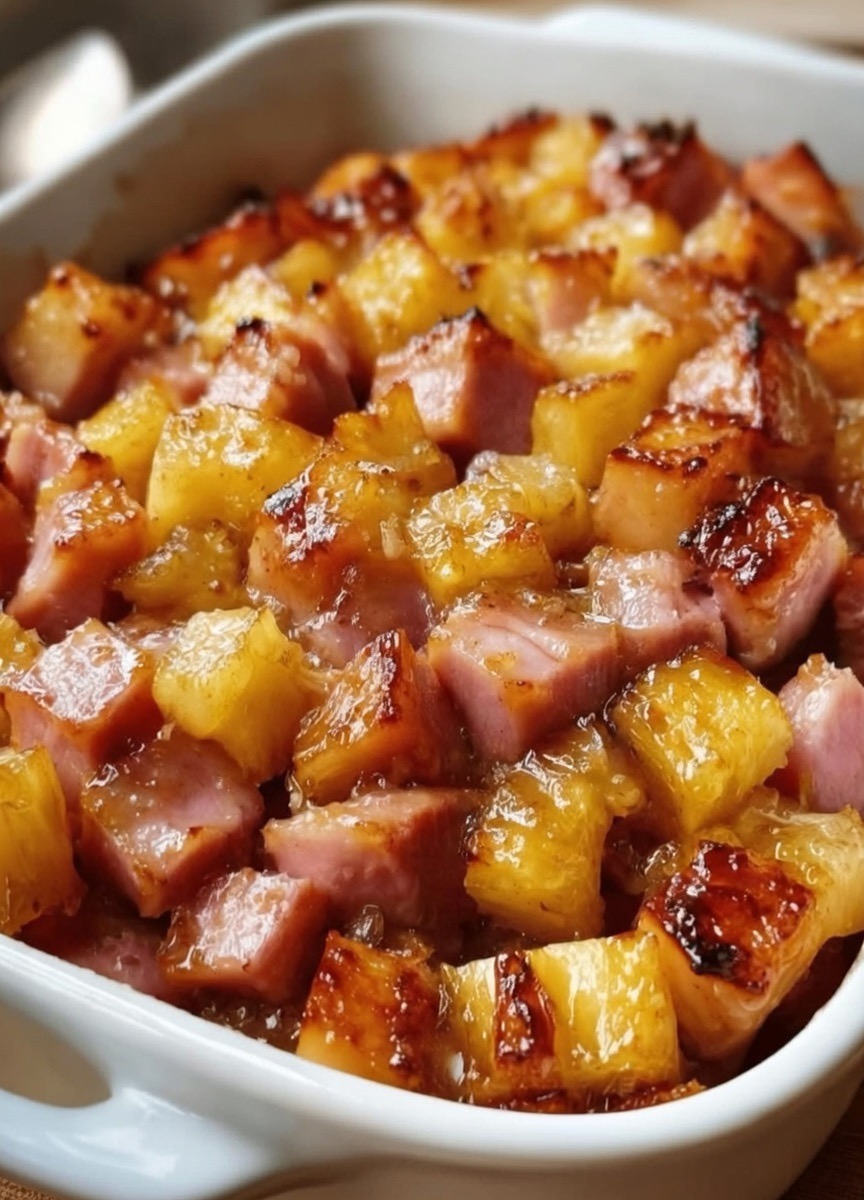
Brown Sugar Pineapple Ham Bake 😋 – The Ultimate Sweet & Savory Comfort Dish If you’re searching for a high-RPM, comfort-food recipe that people love clicking, saving, and cooking again and again, this Brown Sugar Pineapple Ham Bake is it. Sweet, sticky brown sugar. Juicy pineapple. Tender, savory ham. Baked together into one irresistible dish…
-

Angel Chicken Pasta – The Creamy Comfort Food That Everyone Loves
Few dishes feel as comforting, indulgent, and crowd-pleasing as Angel Chicken Pasta. This creamy, slow-cooked chicken pasta recipe has earned its name because it’s truly heavenly—rich, velvety sauce, tender chicken, and perfectly cooked pasta all coming together in one unforgettable meal. Angel Chicken Pasta is one of those recipes that never goes out of style.…