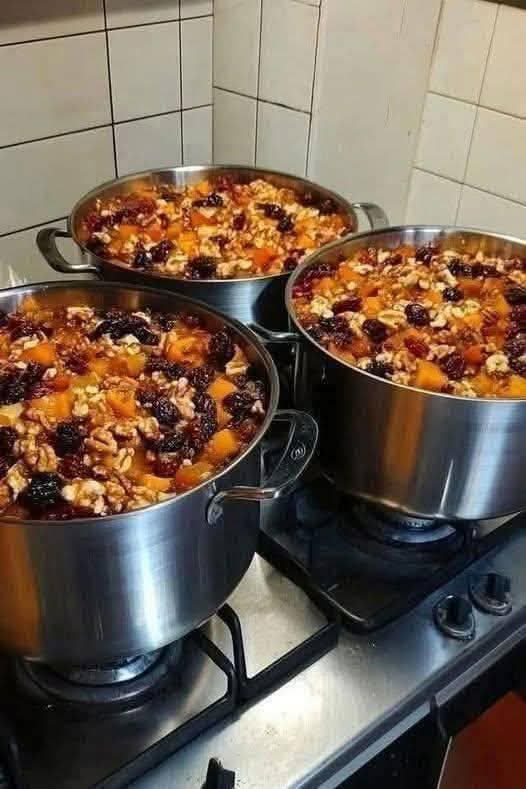
There is a particular magic woven into the fabric of family traditions, especially those that arrive with a season. For many Mexican and Mexican-American families, the arrival of Lent and the approach of Easter is heralded not just by reflection, but by the warm, spiced aroma of Capirotada wafting from the kitchen. This is not merely a bread pudding dessert; it is a edible tapestry of history, faith, and familial love—a timeless tradition that connects generations with every sticky, sweet, and surprisingly complex bite.
Often described as a Mexican bread pudding, Capirotada is a layered casserole of toasted bread, melted cheese, dried fruits, nuts, and a spiced piloncillo syrup. Each family holds its own secret family recipe, passed down through abuelas and tías, making it a deeply personal and cherished heirloom dish. In this deep dive, we’ll explore the rich history of this comfort food classic, provide a foundational recipe you can make your own, and celebrate why this humble dish remains an indispensable crowd-pleasing dessert for holidays and beyond.
What is Capirotada? More Than Just a Pudding
At first glance, the ingredient list can seem puzzling to the uninitiated: bread, cheese, raisins, peanuts, and syrup? But one taste reveals the alchemy. Capirotada is a masterpiece of balance:
· The Base: Stale, toasted bolillo rolls or French bread provide a sturdy, absorbent foundation.
· The Sweetness: A fragrant syrup made from piloncillo (unrefined cane sugar), cinnamon, and cloves infuses every layer with deep, caramel-like warmth.
· The Texture & Contrast: Crunchy peanuts or pecans, chewy raisins or dried cranberries, and fresh apple or banana pieces create a captivating play of textures.
· The Signature Twist: Melted cheese (often Monterey Jack or queso fresco). This is the element that surprises and delights, offering salty, creamy pockets that cut through the sweetness perfectly.
The result is a warm, comforting dessert that is simultaneously rich and refreshing, sweet and salty, soft and crunchy. It’s a culinary experience unlike any other.
A Brief History: From Humble Origins to Lenten Staple
The roots of Capirotada are as layered as the dish itself. Its origins trace back to Spanish colonial times, with influences from both medieval Spanish bread puddings (like torrijas or sopa dorada) and indigenous ingredients like piloncillo and native fruits.
Its strong association with Lent and Semana Santa (Holy Week) is deeply symbolic. During this period of abstinence from meat, resourceful cooks created filling, nutritious dishes from pantry staples. The ingredients themselves are often said to carry symbolism:
· The bread represents the Body of Christ.
· The syrup is His blood.
· The cinnamon sticks are the wood of the cross.
· The whole cloves are the nails.
· The cheese is the Holy Shroud.
Whether one observes these symbols or not, preparing Capirotada becomes an act of cultural and familial continuity, a traditional Easter recipe that grounds the celebration in shared history and flavor.
Your Guide to the Ultimate Capirotada: A Flexible Family Recipe
This recipe is a template—a celebration of the classic, authentic preparation. I encourage you to taste, adjust, and make it your own, just as countless families have done before.
Understanding the Key Ingredients & Swaps
The Bread:
· Traditional: Stale bolillo rolls or teleras. Their sturdy crust and airy interior toast beautifully and hold up to the syrup.
· Excellent Substitute: A day-old French baguette or ciabatta, cut into 1-inch slices or cubes.
· Pro-Tip: Toast the bread cubes in a 350°F oven for 15-20 minutes until dry and slightly golden. This prevents a mushy final dish.
The Syrup – The Heart of the Dish:
· Piloncillo is essential for authentic flavor. Find it in Latin markets in cone shapes. Grate or chop it to dissolve. Dark brown sugar can be used in a pinch.
· Warming Spices: Cinnamon sticks and whole cloves are infused into the syrup, then removed. Their flavor is subtler and more aromatic than ground spices.
The Fillings – Customize Your Layers:
· Cheese: Monterey Jack is classic for its mild melt. Queso fresco or panela offer a softer, crumbly texture. Avoid overly sharp or oily cheeses.
· Nuts: Peanuts are traditional and affordable. Pecans or walnuts add a richer, buttery note.
· Fruits: Raisins are non-negotiable for many. Dried cranberries, apricots, or prunes add variation. Fresh apple or banana slices provide a bright, soft contrast.
· The Optional (but Traditional) Finale: A dotting of butter and a sprinkle of shredded coconut over the top layer before baking.
Step-by-Step Recipe: Building Your Tradition
Prep Time: 30 minutes | Cook Time: 45 minutes | Serves: 10-12
Ingredients:
For the Syrup:
· 2 cones (about 8 oz each) piloncillo, chopped, or 2 ½ cups packed dark brown sugar
· 4 cups water
· 2 cinnamon sticks
· 5 whole cloves
· Peel of 1/2 orange (optional, but adds wonderful brightness)
For the Layering:
· 1 lb stale bolillo rolls or French bread, cut into 1-inch cubes and toasted
· 2 cups (8 oz) shredded Monterey Jack cheese
· 1 ½ cups roasted, unsalted peanuts or pecans
· 1 cup raisins
· 1 large apple, peeled and diced (or 2 bananas, sliced)
· ½ cup shredded coconut (optional)
· ¼ cup unsalted butter, cubed (optional)
Instructions:
Craft the Fragrant Syrup:
In a medium saucepan,combine the piloncillo, water, cinnamon sticks, cloves, and orange peel. Bring to a simmer over medium heat, stirring until the piloncillo dissolves. Reduce heat and simmer gently for 15-20 minutes until slightly reduced and syrup-like. Remove from heat, discard the spices and peel, and let cool slightly.
Prepare the Components:
While the syrup simmers,toast your bread cubes if you haven’t already. Prepare all your fillings: shred cheese, chop fruit, measure nuts and raisins. Preheat your oven to 350°F (175°C). Grease a 9×13 inch baking dish.
The Ritual of Layering:
This is the meditative,creative part. Layer half of the toasted bread cubes in the bottom of the dish.
Scatter half of the nuts,half of the raisins, half of the diced apple, and half of the cheese over the bread.
Repeat with the remaining bread,then the remaining nuts, raisins, and apple.
Pour the warm syrup evenly over the entire casserole,aiming to moisten all the bread. It will seem like a lot, but the bread will absorb it.
Top with the remaining shredded cheese.Dot with cubed butter and sprinkle with coconut if using.
Bake to Sweet, Bubbly Perfection:
Cover the dish loosely with aluminum foil.Bake for 25 minutes.
Remove the foil and bake for an additional 15-20 minutes,until the top is golden brown, the cheese is melted, and the edges are bubbly.
The Crucial Rest:
Let the Capirotada rest for at least 30 minutes before serving.This allows the syrup to be fully absorbed, ensuring perfect slices that hold their shape. It can be served warm, at room temperature, or even cold—each temperature offers a different texture and experience.
Modern Twists & Dietary Considerations: Honoring Tradition Your Way
The beauty of this make-ahead dessert is its adaptability.
· For a Less Sweet Version: Reduce the piloncillo by one cone or use 1 ½ cups brown sugar.
· Vegan Capirotada: Use vegan butter and a plant-based cheese that melts well. Ensure your bread is vegan.
· Nut-Free Version: Substitute nuts with toasted pumpkin seeds (pepitas) or simply omit them.
· Gluten-Free Capirotada: Use a sturdy, day-old gluten-free bread or bagels for toasting.
Why This “Timeless Tradition” Endures: More Than a Recipe
In a world of fast food and fleeting trends, Capirotada stands as a testament to slow food and lasting connections. It is a crowd-pleasing dessert not because it’s trendy, but because it is true. It carries the fingerprints of your ancestors in its method and the voice of your abuela in the advice to “add a little more cinnamon.”
It teaches us that the most cherished family recipes are often the ones that tell a story—of resilience, creativity, faith, and love. Baking Capirotada is an act of preserving light, a way of saying, “We are still here, and our table is still rich with the flavors of our history.”
So this season, gather your ingredients, call your family into the kitchen, and build your layers. Share the stories that come with each spoonful. In doing so, you are not just making a simple, impressive dessert; you are keeping a beautiful, delicious, and timeless tradition very much alive.
More Recipes You Might Like
-
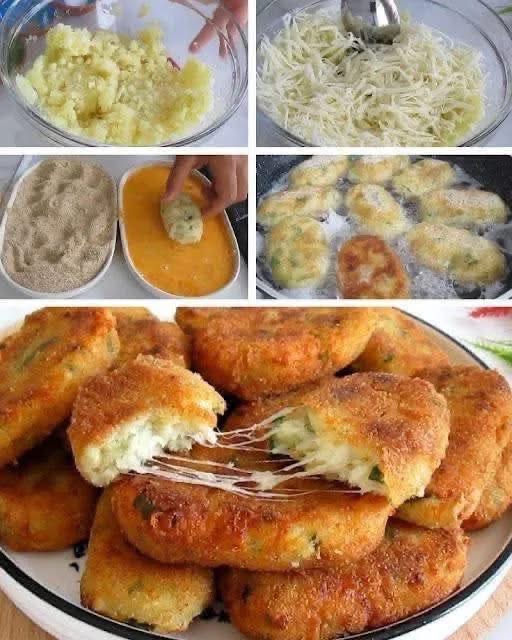
Cheesy Potato Patties 😋 – Crispy, Golden, and Irresistibly Cheesy If you’re looking for a high-RPM comfort food recipe that gets clicks, saves, and repeat cooks, Cheesy Potato Patties are a guaranteed winner. Crispy on the outside, soft and fluffy on the inside, and loaded with melty cheese—this recipe checks every box readers love: easy…
-
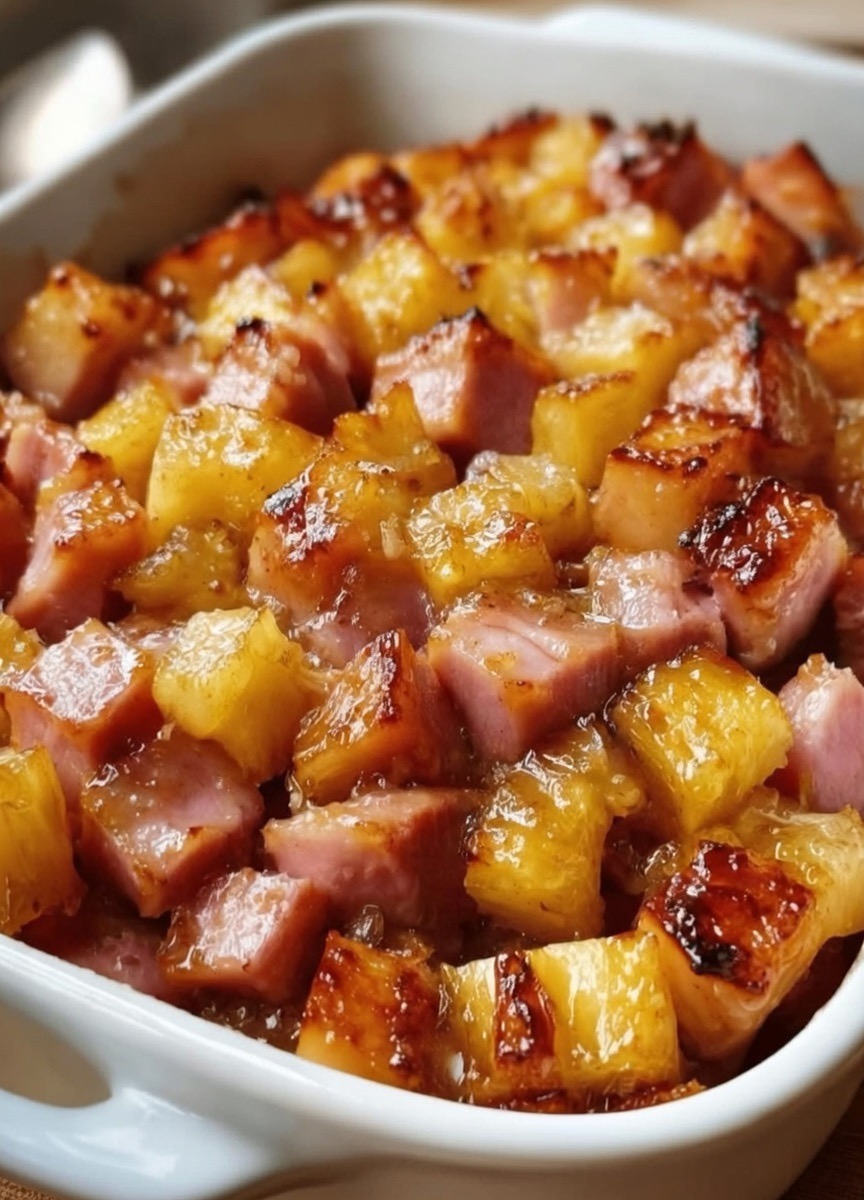
Brown Sugar Pineapple Ham Bake 😋 – The Ultimate Sweet & Savory Comfort Dish If you’re searching for a high-RPM, comfort-food recipe that people love clicking, saving, and cooking again and again, this Brown Sugar Pineapple Ham Bake is it. Sweet, sticky brown sugar. Juicy pineapple. Tender, savory ham. Baked together into one irresistible dish…
-

Angel Chicken Pasta – The Creamy Comfort Food That Everyone Loves
Few dishes feel as comforting, indulgent, and crowd-pleasing as Angel Chicken Pasta. This creamy, slow-cooked chicken pasta recipe has earned its name because it’s truly heavenly—rich, velvety sauce, tender chicken, and perfectly cooked pasta all coming together in one unforgettable meal. Angel Chicken Pasta is one of those recipes that never goes out of style.…