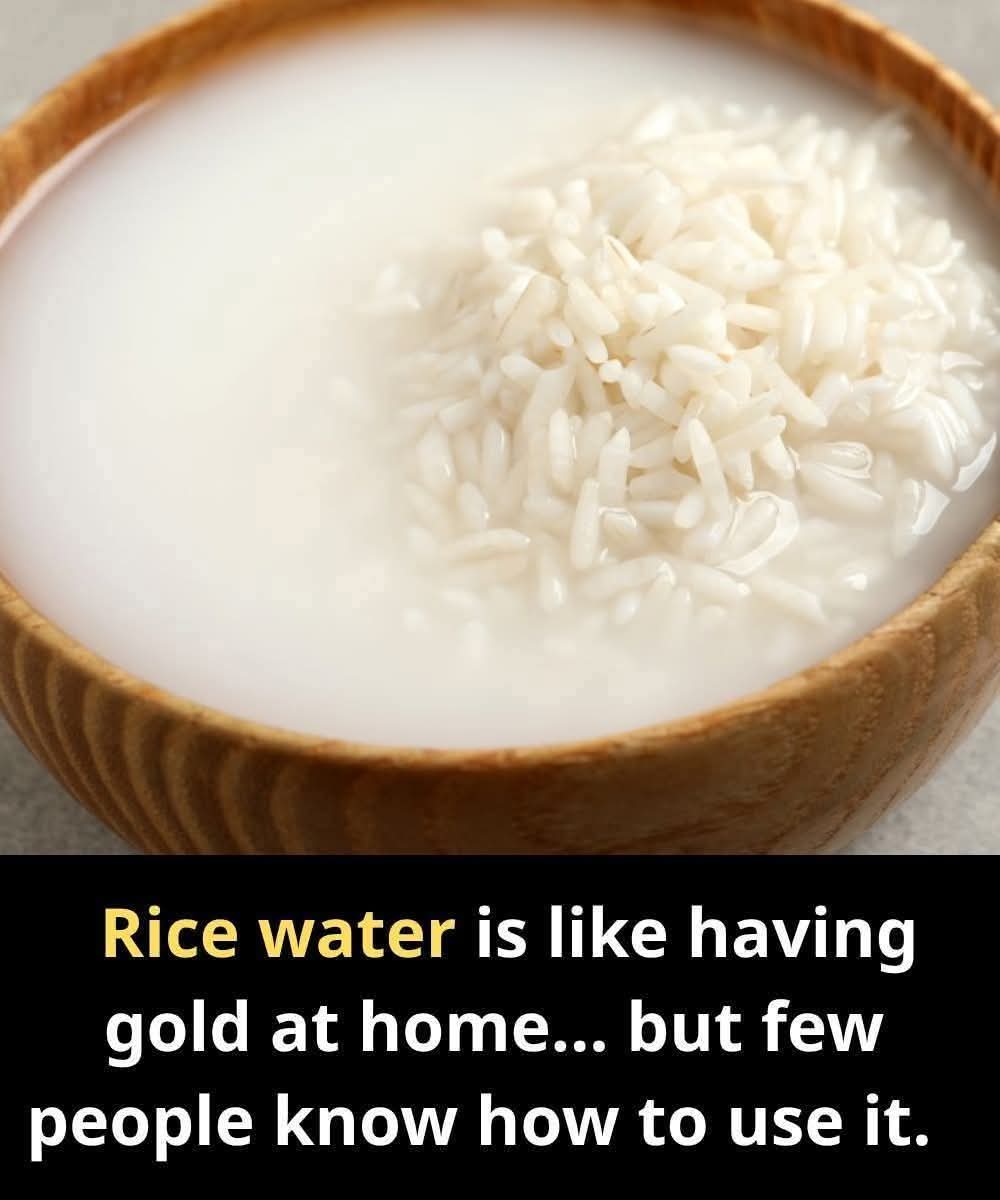
You’ve drained it down the sink countless times without a second thought. That cloudy, starchy water left after rinsing or boiling rice isn’t waste—it’s one of the most versatile, effective, and free ingredients in your culinary and household arsenal. Hailed for centuries in beauty rituals across Asia and a secret weapon in professional kitchens, rice water is the ultimate example of kitchen alchemy, turning a simple byproduct into liquid gold.
This isn’t just about avoiding waste; it’s about unlocking a multi-purpose elixir that can transform your cooking, elevate your skincare, and simplify your cleaning—all from a handful of humble grains. From creating impossibly creamy soups and sauces to nurturing your garden, rice water is a testament to the ingenuity of traditional wisdom meeting modern practicality. Let’s dive into the milky depths of this powerhouse liquid and discover why you should never pour it away again.
What Exactly is Rice Water? The Science of the Starch
Rice water is the starchy liquid obtained by either rinsing raw rice or soaking/boiling it. This cloudiness comes from the rice grains releasing their surface starch, vitamins (like B vitamins and vitamin E), minerals (such as magnesium and potassium), and amino acids into the water.
· First Rinse Water: The initial, very cloudy rinse that removes surface dust and excess starch. Best for external uses (plants, cleaning).
· Second/Third Rinse or Soak Water: This slightly less cloudy liquid is rich in nutrients and perfect for culinary and beauty uses.
· Boiling/Steeping Water: The water left after cooking rice, which is the most nutrient-dense and flavorful, is ideal for cooking.
This starch is the magic component. It acts as a:
· Thickening Agent (like a light, flavor-neutral roux)
· Emulsifier & Stabilizer
· Nutrient-Rich Tonic
· Gentle Cleanser
Part 1: Rice Water as a Culinary Powerhouse
In the kitchen, rice water is a chef’s secret for adding body, nutrition, and subtle flavor without heaviness.
- The Ultimate Soup & Sauce Thickener
Forget heavy cream or flour pastes. A cup of rice water added to soups, stews, curries, or gravies simmers into a velvety, lightly creamy consistency. It’s perfect for:
· Vegan “Cream” Soups: Puree vegetable soups with rice water for a lush, dairy-free texture.
· Smooth Sauces: Deglaze a pan with rice water for a simple, elegant pan sauce.
· Perfect Gravy: Use it in place of or alongside broth for a lump-free, glossy gravy.
- The Secret to Dreamier Breakfasts
· Oatmeal & Porridge: Cook your oats in rice water for a remarkably creamy, rich texture that needs less added fat or sugar.
· Smoothie Booster: Replace some of the liquid in your smoothie with cooled rice water for added nutrients and a silkier mouthfeel.
- The Natural Baking Assistant
· Yeast Activator: The minerals and slight sugars in rice water can give yeast breads and pizza dough a vibrant boost, leading to a better rise.
· Tenderizer: Use it in place of water in muffin, pancake, or waffle batters for a more tender crumb.
- The Fermentation Starter
The mild sugars and nutrients make rice water an excellent medium for fermenting. It’s the base for many traditional drinks and starters.
Part 2: Rice Water as a Beauty & Wellness Elixir
For millennia, women in China, Japan, and Southeast Asia have used rice water as a cornerstone of beauty routines. Modern science is now validating what tradition always knew.
For Skin: A Soothing Toner & Brightener
Rice water is rich in ferulic acid and allantoin, compounds known for their anti-inflammatory and soothing properties.
· How to Use: After cleansing, soak a cotton pad in cooled rice water (fermented is best) and swipe over your face as a toner. It can help calm irritation, reduce redness, and over time, contribute to a more even skin tone.
· Simple Face Mist: Pour into a spray bottle, refrigerate, and use for a refreshing, hydrating spritz.
For Hair: The Ancient Detangler & Strengthener
This is its most famous use. The starch in rice water is thought to coat the hair shaft, adding temporary strength, shine, and incredible slip that reduces breakage while detangling.
· The Yu Su Method: Named for the Huangluo Yao women in China (famous for floor-length hair), it involves a rinse or soak with fermented rice water after shampooing, left on for a few minutes before a clear water rinse.
· Hair Rinse Recipe: Use the second-rinse water from uncooked rice or the water from boiled rice. Ferment it for 12-48 hours at room temperature until slightly sour (this increases antioxidant content). Refrigerate and use within a week. Apply to clean, damp hair, massage, leave on for 10-20 minutes, then rinse.
For Plants: The Garden Fertilizer
The nutrients (especially nitrogen) released into rice water make it a mild, beneficial fertilizer for both indoor and outdoor plants. It’s a gentle, weekly feed that promotes healthy growth.
· Tip: Let it cool to room temperature and use immediately. Avoid using salted water from cooked rice.
Part 3: Rice Water as a Household Helper
Its mild abrasive and cleansing properties make it useful beyond the body and kitchen.
· Gentle Produce Wash: The slight alkalinity and starch can help lift dirt and residue from fruits and vegetables. Soak produce for 5-10 minutes, then rinse.
· Silverware & Jewelry Polish: Simmer tarnished silver in rice water or use it as a soaking bath to help lift tarnish gently.
· China & Glass Cleaner: Washing delicate dishes with rice water can leave them sparkling due to the starch’s ability to absorb grease and grime.
How to Make & Store Rice Water: 3 Simple Methods
Method 1: The Rinse/Soak Method (Best for Beauty & Plants)
Take ½ cup of uncooked white rice (organic is ideal).
Rinse briefly to remove any initial dust.
Place rice in a clean bowl, add 2-3 cups of filtered or distilled water.
Swirl vigorously for 30-60 seconds until water is cloudy.
Strain the rice, saving the water. Use rice for cooking.
For fermented rice water for hair/skin: Let the strained liquid sit at room temperature, covered loosely, for 12-48 hours. It’s ready when it has a slightly sour, pleasant smell. Refrigerate and use within a week.
Method 2: The Boiling/Steeping Method (Best for Cooking)
Cook rice as you normally would, but use extra water (e.g., a 1:2 rice-to-water ratio instead of 1:1.5).
Once the rice is cooked, strain it through a sieve over a bowl, catching all the precious starchy water.
Use this nutrient-rich liquid immediately in soups, sauces, or breads, or let it cool and store it in the fridge for 2-3 days.
Method 3: The Quick Blend Method
Blend ¼ cup uncooked rice with 2 cups warm water for 60 seconds.
Strain through a fine-mesh sieve or cheesecloth.
This yields a very concentrated, fast rice water. Use immediately or ferment.
Storage: Always refrigerate rice water if not using immediately. Plain rinse water lasts 3-4 days; fermented versions last about a week. Discard if it smells foul.
A Note of Caution & Final Wisdom
· Patch Test: For skin and hair, always do a patch test first to check for any sensitivity.
· Moderation is Key: For hair, using rice water once a week or every other week is sufficient. Overuse can lead to protein buildup, making hair stiff.
· Listen to Your Body/Plants/Hair: It’s a wonderful supplement, not a cure-all. Observe how your skin, hair, or plants respond.
Rice water embodies a beautiful, zero-waste philosophy. It’s a bridge between grandmother’s wisdom and modern efficiency, sitting right there in your colander. By reclaiming this liquid gold, you’re not just making a clever substitution; you’re participating in a centuries-old tradition of resourcefulness and respect for ingredients. So next time you make rice, pause before you drain. That humble, cloudy water is ready to work wonders.
More Recipes You Might Like
-

Cheesy Potato Patties 😋 – Crispy, Golden, and Irresistibly Cheesy If you’re looking for a high-RPM comfort food recipe that gets clicks, saves, and repeat cooks, Cheesy Potato Patties are a guaranteed winner. Crispy on the outside, soft and fluffy on the inside, and loaded with melty cheese—this recipe checks every box readers love: easy…
-
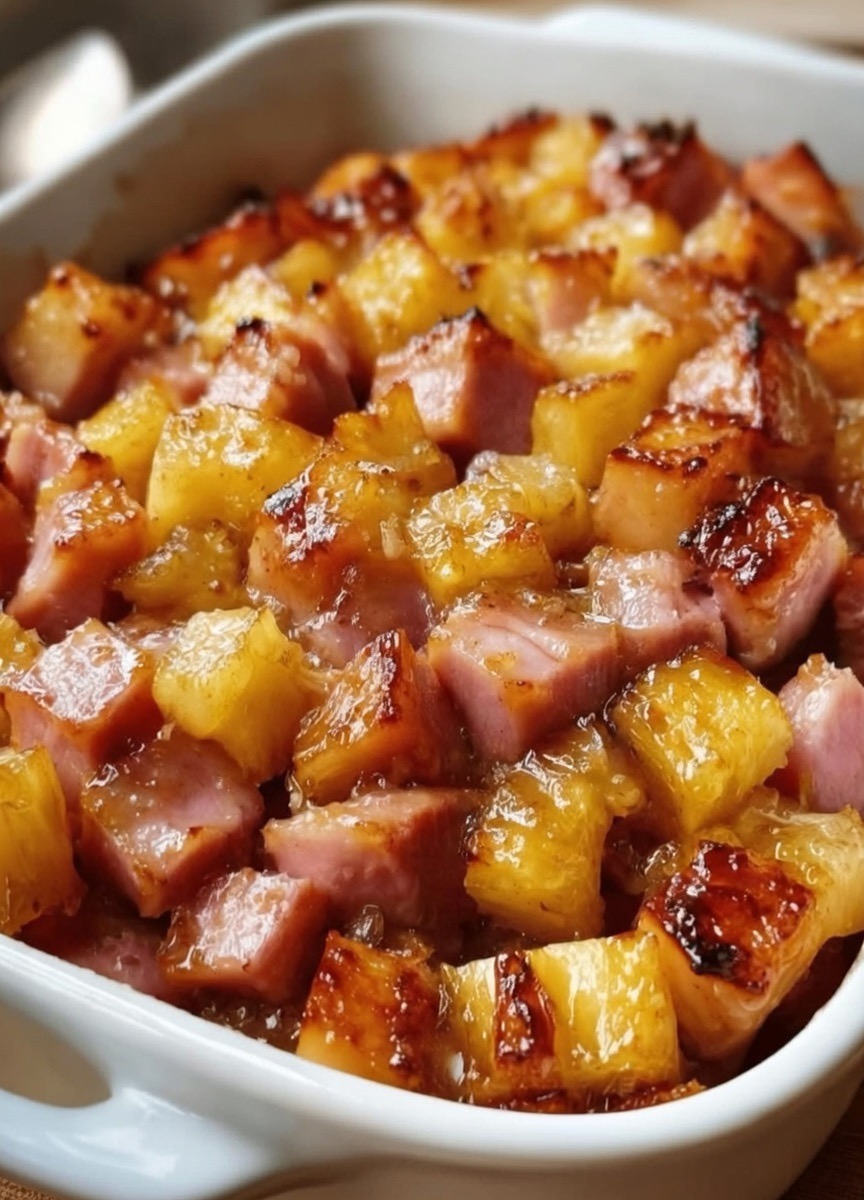
Brown Sugar Pineapple Ham Bake 😋 – The Ultimate Sweet & Savory Comfort Dish If you’re searching for a high-RPM, comfort-food recipe that people love clicking, saving, and cooking again and again, this Brown Sugar Pineapple Ham Bake is it. Sweet, sticky brown sugar. Juicy pineapple. Tender, savory ham. Baked together into one irresistible dish…
-

Angel Chicken Pasta – The Creamy Comfort Food That Everyone Loves
Few dishes feel as comforting, indulgent, and crowd-pleasing as Angel Chicken Pasta. This creamy, slow-cooked chicken pasta recipe has earned its name because it’s truly heavenly—rich, velvety sauce, tender chicken, and perfectly cooked pasta all coming together in one unforgettable meal. Angel Chicken Pasta is one of those recipes that never goes out of style.…