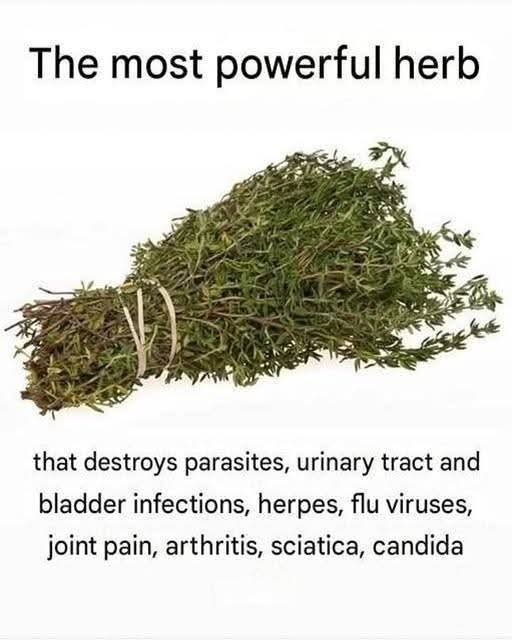
Among the vast pharmacopeia of medicinal herbs, one stands out in modern natural health circles for its broad-spectrum antimicrobial properties: wild oregano oil. Extracted primarily from the species Origanum vulgare and Origanum minutiflorum, this potent oil is frequently hailed in alternative medicine for combating various pathogens. However, it’s crucial to separate evidence-based applications from overreaching claims and to understand that no single herb is a magic bullet or a substitute for professional medical diagnosis and treatment.
This article explores the science behind oregano oil, its traditional uses, and its realistic place in a health-supportive regimen, while emphasizing the critical importance of evidence-based medicine.
The Active Compounds: What Makes Oregano Oil Potent?
The therapeutic power of oregano oil is largely attributed to two phenolic compounds: carvacrol and thymol. These compounds, which give oregano its characteristic aroma, have demonstrated significant antimicrobial and antioxidant properties in laboratory studies.
· Antimicrobial Action: Carvacrol is known to disrupt the membranes of pathogens, compromising their integrity and leading to cell death.
· Antioxidant & Anti-inflammatory Effects: Both compounds help neutralize free radicals and may modulate the body’s inflammatory response.
· Key Point: Most robust studies on carvacrol and thymol are in vitro (test tube) or animal studies. Human clinical trials are more limited, which is a vital distinction when evaluating claims.
Examining the Claims: What Does the Science Say?
Let’s analyze the conditions mentioned, referencing the current scientific understanding.
- Parasites
· Evidence: Some lab studies show oregano oil (specifically carvacrol) can be effective against certain parasites like Giardia and Blastocystis hominis. Anecdotal reports and some practitioner observations support its use in herbal protocols.
· Reality Check: Parasitic infections require specific diagnosis (stool tests) and often multi-targeted treatment. Oregano oil may play a supportive role in a protocol designed by a knowledgeable healthcare provider but is not a standalone cure.
- Urinary Tract and Bladder Infections (UTIs)
· Evidence: Oregano oil shows in vitro antibacterial activity against pathogens like E. coli, a common cause of UTIs. Its anti-inflammatory properties may also theoretically soothe irritation.
· Reality Check: A full-blown UTI is a serious infection that can ascend to the kidneys. Standard of care is antibiotics prescribed by a doctor. While oregano oil might be explored for early, mild symptoms or occasional support, it is not a reliable treatment for an active infection, and delay can lead to severe complications.
- Herpes Viruses (HSV-1 & HSV-2)
· Evidence: Some studies indicate carvacrol may have antiviral effects that could inhibit the herpes virus’s ability to enter cells. Its immune-modulating and anti-inflammatory properties might theoretically help manage outbreaks.
· Reality Check: There is no cure for herpes. Antiviral medications (e.g., acyclovir) are the proven, effective way to suppress outbreaks and reduce transmission. Oregano oil is, at best, a complementary option for some and can cause severe skin irritation if applied topically to sensitive areas.
- Influenza and Other Viruses
· Evidence: Oregano oil’s general antiviral and immune-supportive properties are well-documented in preclinical studies. Many use it at the first sign of cold or flu.
· Reality Check: For the flu, annual vaccination is the most effective preventative measure. While oregano oil may support the body’s response to common viral infections, it is not a specific treatment for influenza, and severe cases require medical attention.
How It’s Used (With Major Cautions)
Oregano oil is extremely potent and can cause harm if used incorrectly.
Always Diluted: It must never be taken neat (undiluted). For internal use, it’s diluted in a carrier oil (like olive oil) and often put into capsules. For topical use, it’s diluted in a carrier oil (e.g., coconut oil) at a low concentration (1-2%).
Short-Term Use: Typical use is for short periods (7-10 days), not as a daily supplement indefinitely.
Specific Forms: Look for oils standardized for carvacrol content (often 70-80%). Ensure it’s from a reputable source, as adulteration is common.
Common Methods:
· Internal: A drop or two in a carrier oil, taken in a capsule.
· Aromatic: Used in a diffuser for respiratory support.
· Topical: Heavily diluted for skin applications (avoid mucous membranes).
Critical Warnings and Contraindications
· Pregnancy/Breastfeeding: Absolutely avoid. It is considered an emmenagogue and can stimulate blood flow.
· Drug Interactions: It may interact with blood thinners (like warfarin), diabetes medications, and drugs metabolized by the liver (Cytochrome P450 pathway).
· Digestive Irritation: Can cause heartburn, nausea, or upset stomach.
· Allergic Reaction: Those allergic to plants in the Lamiaceae family (mint, basil, lavender) may react.
· Skin Burns: Applying undiluted oil can cause severe chemical burns.
The Bottom Line: A Potent Herb with a Place, But Not a Panacea
Wild oregano oil is a powerful, broad-spectrum antimicrobial herb with legitimate uses in herbal medicine. It can be a valuable tool in a holistic kit for short-term, acute support against microbial overgrowth and for immune challenges.
However, it is not a standalone cure for complex infections like UTIs, parasites, or viral diseases. The dramatic claims often found online are dangerously overstated. Using it for serious conditions without proper diagnosis and medical oversight can lead to worsening health.
The Responsible Path Forward:
Consult a Professional: Before starting any potent herbal regimen, consult a qualified herbalist, naturopathic doctor, or integrative physician.
Get a Diagnosis: Never self-treat suspected infections. Accurate diagnosis (via lab tests) is essential.
Integrate, Don’t Replace: Use herbs like oregano oil as part of an integrated approach, alongside conventional medicine when necessary, under professional guidance.
Focus on Foundation: No herb replaces the fundamentals of health: a nutrient-dense diet, adequate sleep, stress management, and hydration.
The most “potent” approach to health is not any single herb, but informed, balanced, and professional-guided care that respects both ancient plant wisdom and modern medical science.
More Recipes You Might Like
-

Cheesy Potato Patties 😋 – Crispy, Golden, and Irresistibly Cheesy If you’re looking for a high-RPM comfort food recipe that gets clicks, saves, and repeat cooks, Cheesy Potato Patties are a guaranteed winner. Crispy on the outside, soft and fluffy on the inside, and loaded with melty cheese—this recipe checks every box readers love: easy…
-
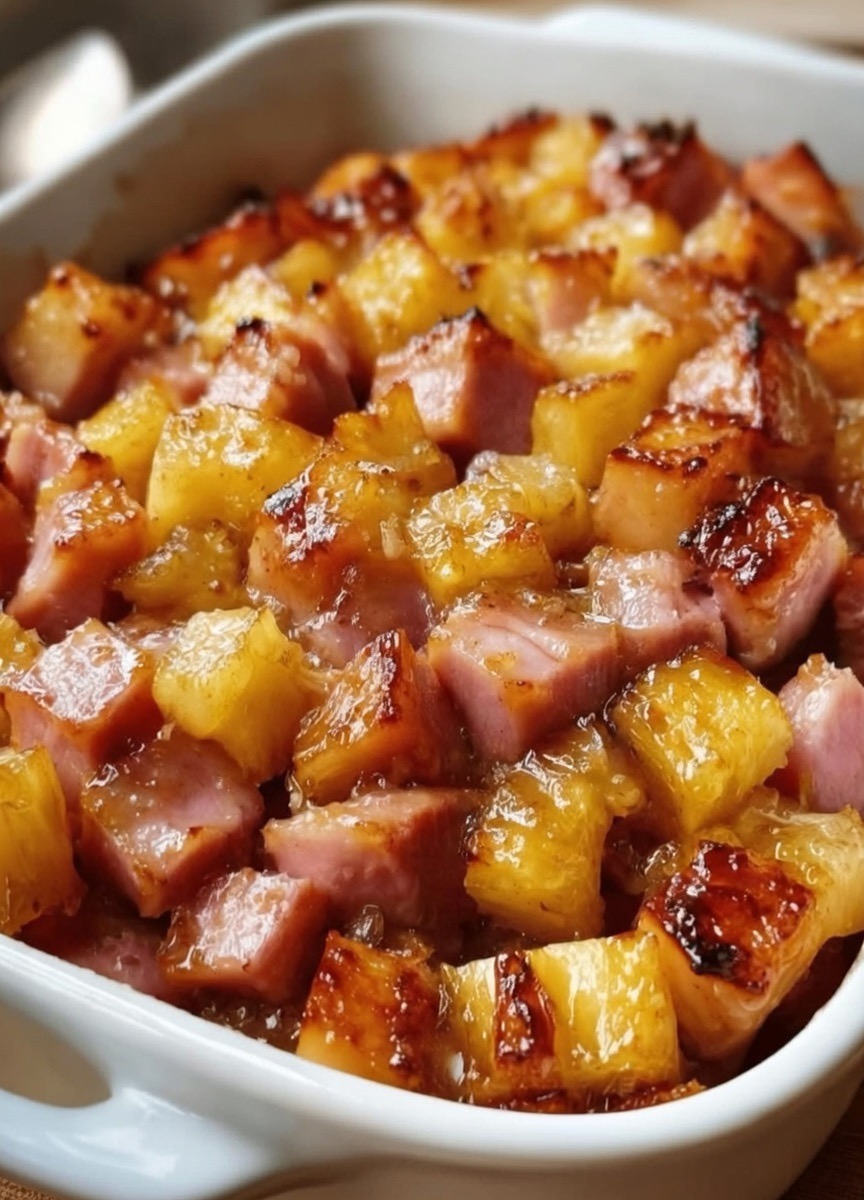
Brown Sugar Pineapple Ham Bake 😋 – The Ultimate Sweet & Savory Comfort Dish If you’re searching for a high-RPM, comfort-food recipe that people love clicking, saving, and cooking again and again, this Brown Sugar Pineapple Ham Bake is it. Sweet, sticky brown sugar. Juicy pineapple. Tender, savory ham. Baked together into one irresistible dish…
-

Angel Chicken Pasta – The Creamy Comfort Food That Everyone Loves
Few dishes feel as comforting, indulgent, and crowd-pleasing as Angel Chicken Pasta. This creamy, slow-cooked chicken pasta recipe has earned its name because it’s truly heavenly—rich, velvety sauce, tender chicken, and perfectly cooked pasta all coming together in one unforgettable meal. Angel Chicken Pasta is one of those recipes that never goes out of style.…