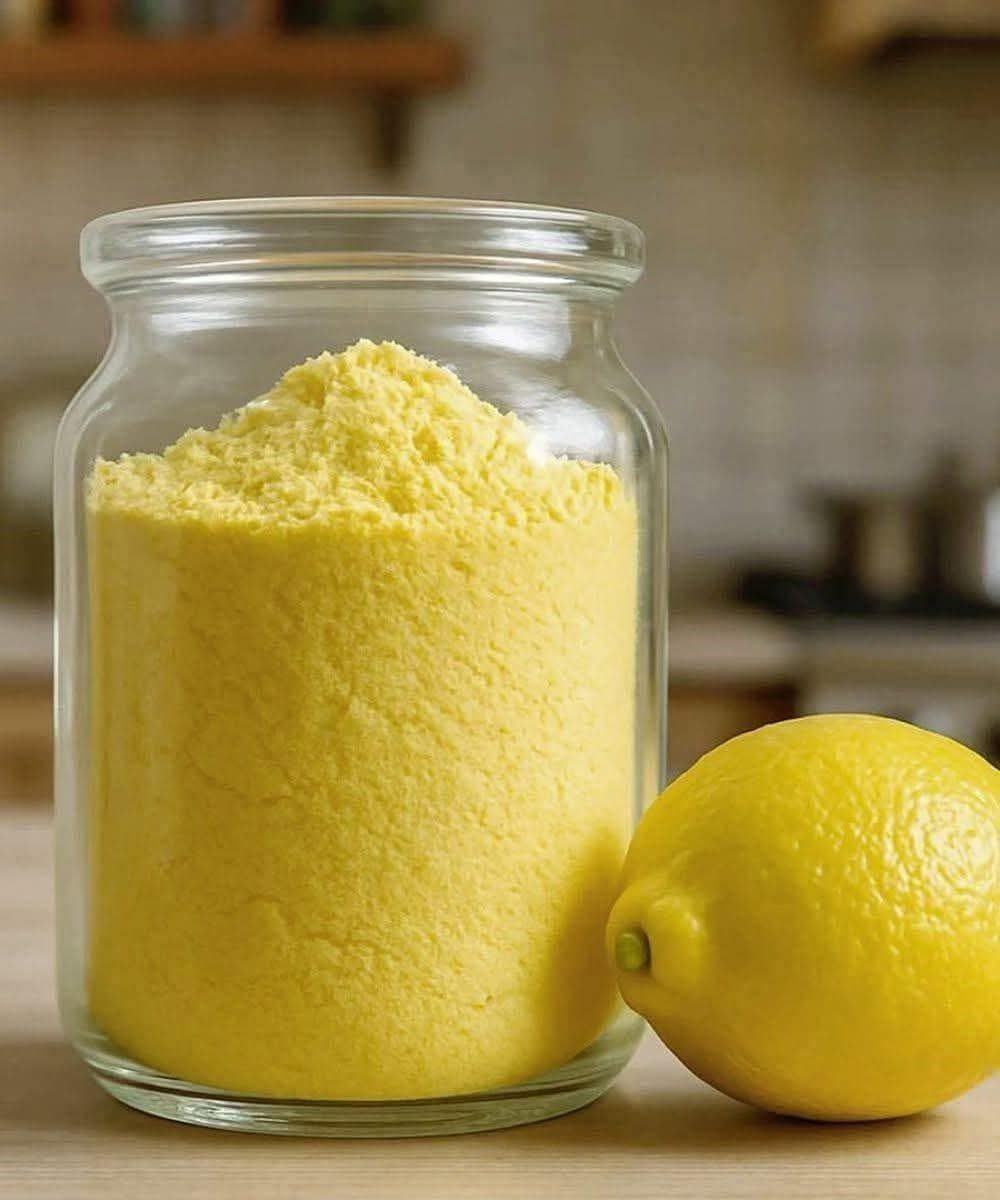
You’ve discovered one of the kitchen’s best-kept secrets: transforming fresh, vibrant lemons into a potent, shelf-stable powder. This isn’t just dried lemon zest; it’s a culinary powerhouse that captures the very essence of citrus—the bright aroma, the tangy punch, the complex oils—without a single drop of moisture. A tiny pinch can indeed revolutionize your cooking and baking, adding a sunburst of flavor where fresh lemon would be impractical.
This guide will walk you through the simple, foolproof process of making your own lemon powder at home. We’ll cover the best methods (oven or dehydrator), how to avoid bitterness, and the countless ways to use this golden dust to elevate everything from roasted chicken to chocolate cake. Get ready to unlock a new dimension of flavor.
Why Lemon Powder? The Brilliance of Concentrated Citrus
· Shelf-Stable Sunshine: Unlike fresh lemons that wilt or spoil, properly dried lemon powder can last for over a year in your pantry, ensuring you always have that citrus flavor on hand.
· Concentrated Flavor: The drying process intensifies the oils and acids. ½ teaspoon of lemon powder can equal the zest of a whole lemon, with a more complex, caramelized edge.
· No Water, No Problem: It adds pure lemon flavor without adding liquid, which is crucial for dry rubs, spice blends, frostings, and baked goods where extra moisture could ruin the texture.
· Zero Waste: This is the ultimate use for lemon peels! After juicing lemons for a recipe, save the peels to make powder.
Step-by-Step Guide: How to Make Perfect Lemon Powder
What You’ll Need:
· 3-4 Organic Lemons (MUST be organic): Since you’re using the peel, you want to avoid pesticide residues.
· A Microplane or Fine Zester
· A Baking Sheet & Parchment Paper (for oven method)
· OR a Food Dehydrator (most efficient method)
· A Spice Grinder, Clean Coffee Grinder, or High-Powered Blender
· A Fine-Mesh Sieve (optional, for ultra-fine powder)
· An Airtight Container for storage
Method 1: The Oven Method (Most Accessible)
Wash & Zest: Scrub the lemons thoroughly under hot water. Using your microplane, zest the yellow peel only. Avoid the white pith beneath, as it is intensely bitter.
Spread & Dry: Preheat your oven to its lowest possible setting (ideally 150°F / 65°C, or “Warm”). Line a baking sheet with parchment paper and spread the zest in the thinnest, most even layer possible.
Dehydrate: Place in the oven with the door slightly ajar (prop it open with a wooden spoon) to allow moisture to escape. Dry for 1.5 to 3 hours, stirring occasionally, until the zest is completely brittle and shatters when pressed. It should have no flexibility.
Cool Completely: Let the dried zest cool on the sheet. Any residual warmth can cause moisture to re-condense.
Method 2: The Dehydrator Method (Best Results)
Follow Step 1 above for washing and zesting.
Spread the zest evenly on your dehydrator trays.
Dehydrate at 135°F (57°C) for 1 to 2 hours, until completely dry and brittle.
Let cool completely.
The Final Step: Grinding to Powder
Place the completely cooled, dried lemon zest in your clean, dry spice grinder.
Pulse in short bursts until you achieve a fine powder. Don’t run it continuously, as the friction heat can cause the oils to clump.
For a super-fine, professional-grade powder, sift the ground powder through a fine-mesh sieve. Any larger bits can be returned to the grinder for another round.
Store immediately in an airtight glass jar, away from light and heat.
Pro Tips for Success
· The Pith is the Enemy: The white part is bitter. Zest carefully and stop when you see white.
· Dryness is Non-Negotiable: If the zest bends instead of snapping, it’s not dry enough. Any moisture will cause mold in storage.
· Low & Slow Wins: High heat will toast the zest, destroying the delicate oils and creating a bitter, burnt flavor.
· Label Your Jar: Include the date. It will retain peak flavor for 12-18 months.
How to Use Your Lemon Powder: A Pinch of Magic
“Just a pinch is enough to enhance your desserts and dishes.”
This is the golden rule. Start with ⅛ to ¼ teaspoon, taste, and adjust. Its power is surprising!
In Savory Dishes:
· Seafood & Chicken: Add to dry rubs, marinades, or sprinkle directly on fish, shrimp, or chicken before baking/grilling.
· Salad Dressings & Dips: Whisk into vinaigrettes, mayonnaise, yogurt dips, or hummus.
· Vegetables: Toss with roasted broccoli, asparagus, or green beans. Sprinkle over fresh salads.
· Seasoning Blends: Add to homemade garlic salt, herb blends, or popcorn seasoning.
In Desserts & Baking:
· Frostings & Glazes: Add to buttercream, cream cheese frosting, or a simple powdered sugar glaze for cookies and cakes.
· Baked Goods: Incorporate into sugar cookie dough, shortbread, pound cake, muffin batter, or scones.
· Fruit & Yogurt: Sprinkle over fresh fruit salad, Greek yogurt, or vanilla ice cream.
· Beverages: Rim cocktail glasses, stir into lemonade, iced tea, or a simple syrup for cocktails.
Creative Variations to Try
· Lime or Orange Powder: Use the same method with other citrus fruits.
· Herb-Infused Lemon Powder: Dehydrate herbs like thyme or rosemary with the zest, then grind together.
· Spiced Lemon Sugar: Mix 1 part lemon powder with 4 parts granulated sugar for an incredible rimming sugar or baking ingredient.
Conclusion: Your Pantry’s Sunshine Jar
Making lemon powder is more than a kitchen project; it’s an act of capturing seasonless flavor. That small jar represents versatility, intensity, and the clever magic of homemade ingredients. It elevates you from a cook to a flavor architect, where just a pinch can bridge the gap between good and unforgettable.
Now, I’d love to hear from you: What’s the first dish you’ll enhance with your homemade lemon powder? Do you have any other zero-waste kitchen tricks? Share your ideas and results in the comments below—and if this guide inspired you, please share this spark of culinary creativity with a friend!
More Recipes You Might Like
-

Cheesy Potato Patties 😋 – Crispy, Golden, and Irresistibly Cheesy If you’re looking for a high-RPM comfort food recipe that gets clicks, saves, and repeat cooks, Cheesy Potato Patties are a guaranteed winner. Crispy on the outside, soft and fluffy on the inside, and loaded with melty cheese—this recipe checks every box readers love: easy…
-

Brown Sugar Pineapple Ham Bake 😋 – The Ultimate Sweet & Savory Comfort Dish If you’re searching for a high-RPM, comfort-food recipe that people love clicking, saving, and cooking again and again, this Brown Sugar Pineapple Ham Bake is it. Sweet, sticky brown sugar. Juicy pineapple. Tender, savory ham. Baked together into one irresistible dish…
-

Angel Chicken Pasta – The Creamy Comfort Food That Everyone Loves
Few dishes feel as comforting, indulgent, and crowd-pleasing as Angel Chicken Pasta. This creamy, slow-cooked chicken pasta recipe has earned its name because it’s truly heavenly—rich, velvety sauce, tender chicken, and perfectly cooked pasta all coming together in one unforgettable meal. Angel Chicken Pasta is one of those recipes that never goes out of style.…