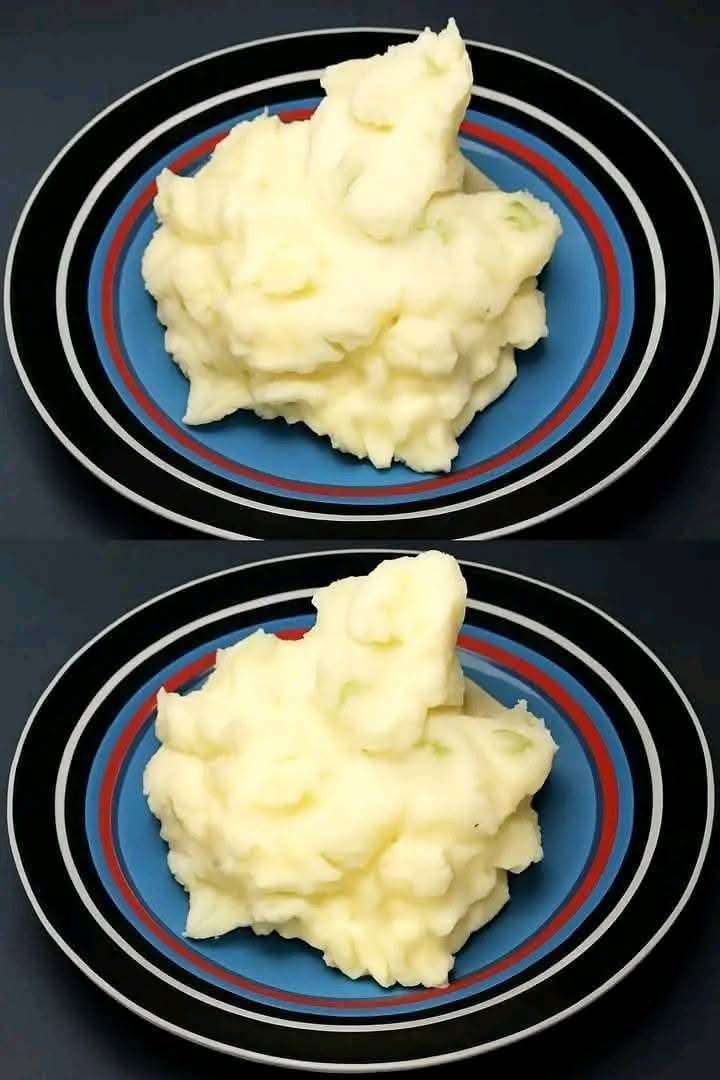
Have you ever spent time peeling, chopping, and boiling potatoes, only to end up with mashed potatoes that are… fine? They’re acceptable, but they lack that certain luxurious, restaurant-quality creaminess and profound, comforting flavor that makes you close your eyes with every bite. For years, I thought the path to good mash was straightforward: potatoes + water + butter + milk. Then, I made the grave mistake of mentioning my method to my grandmother.
She literally laughed at me. 🤣
“Why on earth are you boiling your potatoes in water?” she asked, wiping a tear of amusement from her eye. “You’re pouring all the flavor down the drain! You might as well be eating paste.”
Then, she leaned in and shared the family secret—the one ingredient she swaps for plain water that transforms bland, watery spuds into the most flavorful, creamy, and decadent mashed potatoes you’ll ever taste.
This isn’t just a tweak; it’s a revelation. It’s the difference between a side dish and the star of the holiday table. Get ready to learn the secret that will forever change how you make this classic comfort food.
Why Boiling in Water is Your First Mistake
Let’s break down the science of why Grandma’s method is superior. When you boil potatoes in water, two things happen:
Flavor Dilution: Potatoes act like little sponges. As they cook, they absorb the liquid surrounding them. If that liquid is plain water, they absorb… plain water. This actively dilutes their natural, earthy potato flavor before you even start mashing.
Waterlogged Texture: Excess water absorbed into the potato cells can make them gluey when mashed or, conversely, force you to overcook them to evaporate the moisture, leading to a sad, starchy texture.
Grandma’s secret ingredient solves both problems by infusing the potatoes with flavor from the inside out and creating a foundation for unparalleled richness.
The “Secret Ingredient” Revealed
Enough suspense. Are you ready?
Instead of water, boil your potatoes in… FULL-FAT, WELL-SALTED MILK AND BROTH.
More specifically, here is the golden ratio for the cooking liquid that will become the base of your mash:
· Equal parts whole milk (or cream) and good-quality chicken or vegetable broth. Enough to just barely cover your potatoes in the pot.
· A generous amount of salt in that liquid, as if you were seasoning pasta water.
· A few whole cloves of smashed garlic and a couple of sprigs of fresh rosemary or thyme (optional, but highly recommended).
This combination is nothing short of magic.
Why This Method is a Game-Changer
· Flavor Infusion: The potatoes cook while absorbing seasoned, savory broth and rich dairy. Every single cell is pre-loaded with flavor. You’re essentially seasoning them from the inside.
· Built-In Creaminess: Because the starches release into a milky liquid rather than water, you create a naturally creamy, thickened base right in the pot. No more adding cold milk to hot potatoes and hoping they combine.
· No Wasted Nutrients or Flavor: Any vitamins that leach out do so into a liquid you will use, not discard. And the cooking liquid, now supercharged with potato starch, becomes the key to your perfect consistency.
· It’s Foolproof: It’s much harder to end up with bland or watery potatoes using this method. The flavor foundation is already rock-solid.
Grandma’s Perfect Mashed Potatoes Recipe
Prep Time: 10 mins | Cook Time: 20-25 mins | Total Time: 35 mins | Servings: 6
Ingredients:
· 2.5 lbs Yukon Gold or Russet potatoes, peeled and cut into even 1.5-inch chunks
· 2 cups whole milk
· 2 cups low-sodium chicken or vegetable broth
· 4 cloves garlic, smashed
· 2 sprigs fresh rosemary or thyme
· 1 ½ teaspoons kosher salt, plus more to taste
· ½ cup (1 stick) unsalted butter, cubed
· ½ cup sour cream or full-fat Greek yogurt (optional, for extra tang and creaminess)
· Freshly cracked black pepper
· Chopped chives, for garnish
Instructions:
Cook in the Flavor Bath: In a large pot or Dutch oven, combine the potato chunks, milk, broth, garlic, herbs, and salt. The liquid should just barely cover the potatoes. Bring to a gentle simmer over medium heat (do not boil vigorously or the milk may scald). Reduce heat to maintain a low simmer, cover, and cook for 15-20 minutes, or until the potatoes are completely fork-tender.
Reserve the Liquid: Carefully remove the herb sprigs. DO NOT DRAIN THE POTATOES. Instead, use a slotted spoon to transfer the potatoes and garlic to a large bowl or the bowl of a stand mixer. RESERVE the precious cooking liquid in the pot.
Mash and Combine: Mash the potatoes and garlic with a potato ricer, masher, or beat with the paddle attachment of a stand mixer on low. Add the cubed butter and sour cream (if using). Beat to combine.
The Grand Finale: With the mixer on low (or while stirring vigorously by hand), slowly stream in the reserved cooking liquid, a ½ cup at a time. Stop when you reach your desired creamy consistency. You may not need all the liquid. Season aggressively with additional salt and plenty of black pepper.
Serve Immediately: Transfer to a warm serving bowl, top with a final pat of butter and a shower of chives. Prepare for silence at the dinner table, followed by unanimous praise.
Pro Tips & Common Questions
· Can I use just milk or just broth? You can, but the combo is ideal. All milk can be too rich and may scald more easily. All broth is delicious but less creamy. The blend is perfection.
· What about dairy-free? Use all broth (season it well!) and a creamy, unsweetened plant-based milk like oat or cashew. Finish with vegan butter.
· Can I make these ahead? Absolutely! Transfer to a baking dish, smooth the top, dot with butter, cover, and refrigerate. Reheat, covered, in a 350°F oven for 30 minutes, stirring halfway through.
· The Garlic & Herbs: If you’re serving picky eaters, you can tie the herbs in cheesecloth for easy removal and use fewer garlic cloves. But trust us, the infused flavor is subtle and wonderful.
· The Potato Choice: Yukon Golds are the winner for naturally buttery flavor and creamy texture. Russets are classic and yield a fluffier mash.
Conclusion: A Lesson in Not Wasting Flavor
My grandmother’s lesson was about more than just potatoes. It was about respecting ingredients and maximizing every bit of flavor you can. Why create waste (flavorful water) and then work hard to add flavor back in, when you can build it in from the very first step?
So, the next time you reach for the potato peeler, remember: skip the water. Embrace the milk and broth bath. It’s a simple, profound shift that honors the humble potato and turns it into a truly spectacular dish worthy of any celebration—or just a really good Tuesday night.
Now, I have to ask: Will you try Grandma’s secret? What’s your favorite “secret ingredient” in a classic recipe? Share your family’s cooking wisdom in the comments below! And if this tip upgrades your mash game, please share it with a friend and pin it for the holidays!
More Recipes You Might Like
-

Cheesy Potato Patties 😋 – Crispy, Golden, and Irresistibly Cheesy If you’re looking for a high-RPM comfort food recipe that gets clicks, saves, and repeat cooks, Cheesy Potato Patties are a guaranteed winner. Crispy on the outside, soft and fluffy on the inside, and loaded with melty cheese—this recipe checks every box readers love: easy…
-
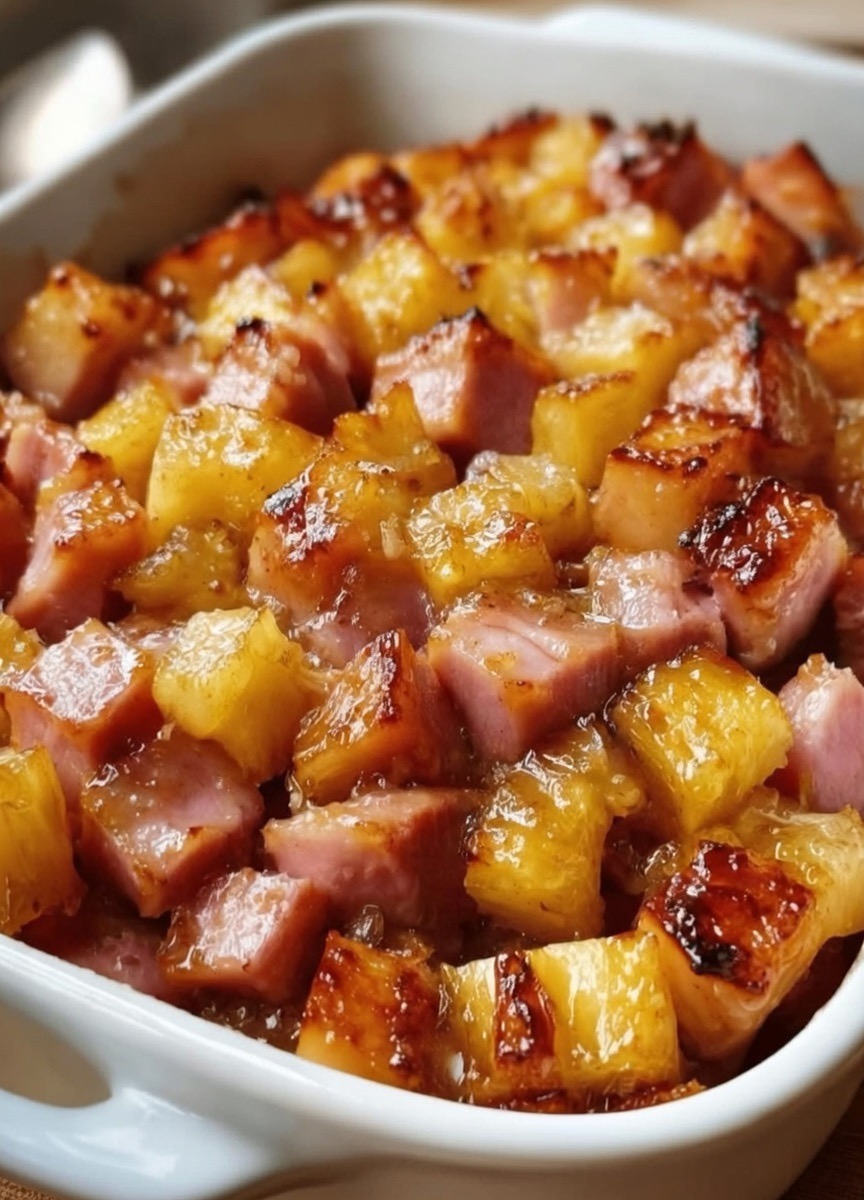
Brown Sugar Pineapple Ham Bake 😋 – The Ultimate Sweet & Savory Comfort Dish If you’re searching for a high-RPM, comfort-food recipe that people love clicking, saving, and cooking again and again, this Brown Sugar Pineapple Ham Bake is it. Sweet, sticky brown sugar. Juicy pineapple. Tender, savory ham. Baked together into one irresistible dish…
-

Angel Chicken Pasta – The Creamy Comfort Food That Everyone Loves
Few dishes feel as comforting, indulgent, and crowd-pleasing as Angel Chicken Pasta. This creamy, slow-cooked chicken pasta recipe has earned its name because it’s truly heavenly—rich, velvety sauce, tender chicken, and perfectly cooked pasta all coming together in one unforgettable meal. Angel Chicken Pasta is one of those recipes that never goes out of style.…