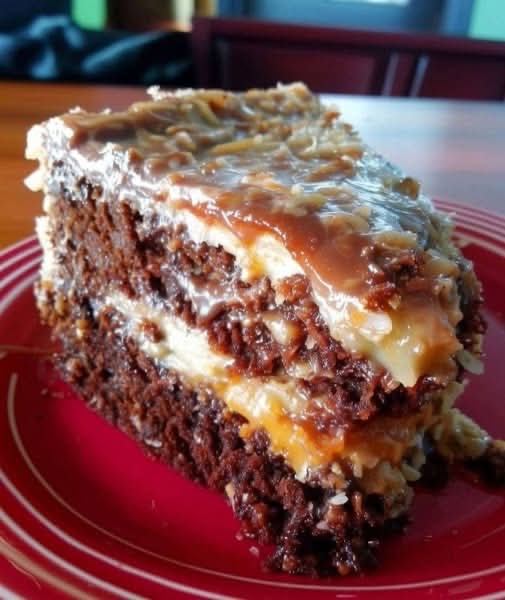
The Ultimate German Chocolate Layer Cake: A Show-Stopping, Decadent Masterpiece
Discover the secrets to creating the most exquisite German Chocolate Cake you’ve ever tasted! This isn’t just a dessert—it’s a culinary masterpiece with moist chocolate layers, rich coconut-pecan filling, and silky chocolate ganache that will transport your taste buds to dessert heaven.
There’s a moment in every baker’s life when they create something so extraordinary, so perfectly balanced between nostalgia and sophistication, that they know they’ve crossed a threshold. That moment comes when you slide that first slice of homemade German Chocolate Layer Cake onto a plate. You see the pristine layers of deep chocolate cake, the generous blanket of caramel-like coconut-pecan frosting, and that glossy chocolate ganache dripping seductively down the sides. You take a bite, and the world stops.
The reaction is almost universal: “First time making, but won’t be the last.” Because this isn’t just cake—it’s an experience. It’s the perfect marriage of textures and flavors that has made German Chocolate Cake a beloved American classic for generations. With its distinctive sweet, nutty filling and tender chocolate cake, this dessert stands in a category all its own.
If you’ve ever been intimidated by layer cakes or thought this iconic dessert was too complicated for home baking, prepare for a revelation. This comprehensive guide will walk you through every step, revealing professional techniques that guarantee a flawless, breathtaking cake worthy of any celebration. Let’s demystify this legendary dessert and create something truly unforgettable.
The Fascinating History Behind the Name: Why It’s Not Actually German
Before we preheat our ovens, let’s clear up the most common misconception: German Chocolate Cake isn’t from Germany. The name comes from Sam German, an American who developed a type of dark baking chocolate for the Baker’s Chocolate Company in 1852. Originally called “German’s Chocolate,” the cake as we know it gained national fame in 1957 when a Texas homemaker submitted her recipe to a local newspaper.
This historical tidbit matters because it explains the cake’s uniquely American character. Unlike European tortes, this cake is unapologetically generous—with its signature coconut-pecan filling that’s almost like a candy, and its rich, approachable chocolate layers. Understanding this heritage helps us appreciate what makes this cake special: it’s celebratory, indulgent, and meant for sharing.
The Anatomy of Perfection: Why This Recipe Works
A truly exceptional German Chocolate Cake achieves a perfect balance between three distinct components, each playing a crucial role:
- The Chocolate Cake Layers: Moistness Meets Structure
The cake must be moist enough to complement the rich filling but sturdy enough to support multiple layers. The secret often lies in using both cocoa powder and melted chocolate, along with buttermilk for tenderness and a touch of coffee to deepen the chocolate flavor without making it taste like coffee.
- The Coconut-Pecan Filling: The Heart of the Matter
This isn’t just frosting—it’s a cooked filling that transforms simple ingredients into something magical. The process of caramelizing evaporated milk, sugar, and egg yolks creates a base that’s neither frosting nor sauce, but something uniquely rich and spoonable. Toasted pecans and coconut add essential texture and flavor complexity.
- The Chocolate Ganache: The Elegant Finish
While traditional versions might skip chocolate frosting, a modern masterpiece often includes a luxurious chocolate ganache. This adds visual drama, provides a beautiful contrast to the sweet filling, and creates a professional-looking finish that elevates the entire dessert.
The Ultimate German Chocolate Layer Cake Recipe
Prep Time: 1 hour | Bake Time: 30-35 minutes | Cooling/Assembly: 2 hours | Total Time: 4 hours
Yield: One 3-layer 9-inch cake (12-16 servings)
Category: Dessert, Baking, Celebration Cakes, Holiday Baking
Skill Level: Intermediate (with detailed guidance)
Ingredients:
For the Chocolate Cake Layers:
· 2 cups all-purpose flour, spooned and leveled
· ¾ cup unsweetened cocoa powder (Dutch-process preferred)
· 2 cups granulated sugar
· 1 ½ teaspoons baking powder
· 1 ½ teaspoons baking soda
· 1 teaspoon fine sea salt
· 2 large eggs, room temperature
· 1 cup buttermilk, room temperature
· ½ cup vegetable oil
· 2 teaspoons pure vanilla extract
· 1 cup hot brewed coffee or hot water
For the Coconut-Pecan Filling:
· 1 cup evaporated milk
· 1 cup granulated sugar
· 3 large egg yolks, lightly beaten
· ½ cup unsalted butter, cubed
· 1 teaspoon pure vanilla extract
· 1 ½ cups sweetened shredded coconut
· 1 ½ cups chopped pecans, toasted
For the Chocolate Ganache:
· 8 ounces semisweet chocolate, finely chopped
· 1 cup heavy cream
· 1 tablespoon light corn syrup (optional, for shine)
· ¼ teaspoon fine sea salt
For Assembly:
· Pecan halves for garnish (optional)
· Additional shredded coconut for garnish (optional)
Step-by-Step Masterclass: Building Your Masterpiece
Part 1: The Chocolate Cake Layers
Step 1: Prepare for Success
Preheat your oven to 350°F (175°C). Grease three 9-inch round cake pans with butter or non-stick spray, then line the bottoms with parchment paper rounds. This guarantees easy release and perfectly flat layers.
Pro Tip: Use cake strips (or DIY with wet cloth strips around the pan) for perfectly level cakes without doming.
Step 2: The Dry-Wet Method
In a large bowl, sift together flour, cocoa powder, sugar, baking powder, baking soda, and salt. Whisk thoroughly to ensure even distribution—this prevents overmixing later.
In a separate bowl, whisk together eggs, buttermilk, oil, and vanilla until completely combined.
Step 3: The Critical Combination
Add the wet ingredients to the dry ingredients. Mix with an electric mixer on medium speed for about 2 minutes, just until combined. The batter will be thick.
Step 4: The Secret Ingredient
With the mixer on low, slowly pour in the hot coffee or water. The batter will become thin—this is normal and correct. The hot liquid “blooms” the cocoa powder, intensifying the chocolate flavor.
Step 5: Bake to Perfection
Divide the batter evenly among the prepared pans (using a kitchen scale ensures perfect layers). Bake for 30-35 minutes, or until a toothpick inserted in the center comes out with moist crumbs (not wet batter).
Step 6: The Cooling Ritual
Let cakes cool in pans for 15 minutes, then turn out onto wire racks. Remove parchment paper and let cool completely before assembling. For best results, wrap layers in plastic wrap and refrigerate for at least 2 hours—cold cake is easier to frost.
Step 2: Create the Caramel Base
In a medium saucepan, combine evaporated milk, sugar, egg yolks, and butter. Cook over medium heat, stirring constantly with a heatproof spatula, until the mixture thickens and turns a caramel color (about 10-12 minutes).
Step 3: The Texture Test
The filling is ready when it coats the back of a spoon and leaves a clear path when you run your finger through it. Remove from heat and stir in vanilla.
Step 4: Fold in Texture
Stir in toasted coconut and pecans. Let cool completely—it will thicken further as it cools. Speed this up by spreading the filling on a baking sheet.
Part 3: The Chocolate Ganache
Step 1: The Chop
Finely chop your chocolate and place it in a heatproof bowl. The smaller the pieces, the more smoothly it will melt.
Step 2: The Heat
Heat cream in a small saucepan until it just begins to simmer (small bubbles around the edges). Do not boil.
Step 3: The Melt
Pour hot cream over chopped chocolate. Let sit for 3 minutes without stirring, then whisk gently from the center outward until smooth and glossy. Stir in corn syrup (if using) and salt.
Step 4: The Perfect Consistency
Let ganache cool at room temperature, stirring occasionally, until it reaches a spreadable consistency—like peanut butter. This takes about 45-60 minutes. Do not refrigerate to speed cooling, as this can cause it to set unevenly.
Part 4: The Grand Assembly
Step 1: The Foundation
Place one cake layer on your serving plate or cake stand. Using a pastry brush, lightly moisten the layer with simple syrup (equal parts sugar and water, heated until dissolved, then cooled) for extra moisture.
Step 2: The Filling Layers
Spread half of the coconut-pecan filling evenly over the first layer, leaving a ½-inch border around the edge (the filling will spread when the next layer is added).
Step 3: Repeat
Add the second cake layer, brush with syrup, and spread with remaining filling. Top with the final cake layer and brush with syrup.
Step 4: The Crumb Coat
Spread a thin layer of ganache over the entire cake—this is the “crumb coat” that seals in crumbs. Refrigerate for 20 minutes.
Step 5: The Final Coat
Apply the remaining ganache in a thick, luxurious layer. Use an offset spatula for smooth sides, or create decorative swirls for a rustic look.
Step 6: The Dramatic Drip
For the classic drip effect, reserve some slightly warmer ganache and carefully spoon it around the edges, allowing it to drip down naturally.
Step 7: The Crown
If desired, create a border of pecan halves around the top edge or sprinkle with toasted coconut. For maximum drama, pile extra coconut-pecan filling in the center.
The Baker’s Encyclopedia: Troubleshooting & Pro Secrets
Common Challenges and Solutions:
Problem: Cake layers are dry
Solution: You overbaked or overmixed. Use an oven thermometer, set a timer for the minimum baking time, and mix only until ingredients are combined.
Problem: Filling is too runny
Solution: You didn’t cook it long enough. It should visibly thicken in the pan. If it’s already made, you can cook it a bit longer or add a teaspoon of cornstarch slurry.
Problem: Ganache is too thin
Solution: Let it cool longer. If it’s already on the cake, refrigerate the whole cake to set it.
Problem: Layers sliding
Solution: You applied filling too close to the edges. Leave that border, and chill the cake between steps.
Next-Level Techniques:
The Flavor Infusion: Steep the cream for the ganache with a cinnamon stick or orange peel for a subtle flavor twist.
The Texture Play: Add ¼ cup of crushed toffee bits to the coconut-pecan filling for another layer of crunch.
The Soaking Syrup: Add a tablespoon of rum or bourbon to your simple syrup for an adult version.
The Decorative Edge: Use a piping bag with a star tip to create a ganache border before adding the coconut-pecan filling on top.
High-RPM Variations to Explore
Dietary Adaptations:
· Gluten-Free German Chocolate Cake: Use a 1:1 gluten-free flour blend and add ½ teaspoon xanthan gum.
· Dairy-Free Version: Use coconut oil instead of butter, full-fat coconut milk instead of buttermilk and evaporated milk, and vegan chocolate.
· Nut-Free Option: Substitute toasted sunflower seeds for pecans.
Creative Twists:
· German Chocolate Cupcakes: Bake as cupcakes, core the centers, fill with coconut-pecan mixture, and top with ganache.
· German Chocolate Cheesecake: Add a layer of chocolate cheesecake between cake layers.
· German Chocolate Trifle: Cube the cake and layer in a trifle dish with filling, ganache, and whipped cream.
The Art of Storage and Make-Ahead Magic
Storage Guidelines:
· Room Temperature: Up to 2 days in a cake carrier.
· Refrigerated: Up to 5 days—bring to room temperature before serving.
· Frozen: Wrap unfrosted layers individually and freeze for up to 3 months. Filling and ganache freeze separately for 1 month.
· 3 Days Ahead: Bake cake layers, wrap, and freeze.
· 2 Days Ahead: Make filling and ganache, store separately in refrigerator.
· 1 Day Ahead: Assemble cake, refrigerate.
· Day Of: Bring to room temperature 2-3 hours before serving.
Make-Ahead Strategy:
Frequently Asked Questions
Q: Can I use sweetened condensed milk instead of evaporated milk?
A: No—they’re different products. Sweetened condensed milk is thick and sweet, while evaporated milk is unsweetened. Substituting would make the filling excessively sweet.
Q: Why did my filling curdle?
A: The eggs cooked too quickly. Next time, temper the eggs by slowly adding some hot milk mixture to them before combining everything, and cook over medium-low heat.
Q: Can I make this cake without coffee?
A: Absolutely. Use hot water instead. The coffee enhances chocolate flavor without making it taste like coffee.
Q: How do I get perfectly straight layers?
A: Use a serrated knife and a rotating cake stand. Mark the height you want around the entire cake before cutting, and use a sawing motion.
Q: My ganache split—can I fix it?
A: Yes! Add a tablespoon of hot milk or cream and whisk vigorously. If that doesn’t work, use an immersion blender.
This cake has a remarkable way of bringing people together. It’s the centerpiece of birthdays and anniversaries, the star of holiday tables, the dessert that makes an ordinary dinner feel like a celebration. When you place this cake before friends and family, you’re not just serving dessert—you’re offering an experience, a memory in the making.
The most rewarding moment comes when you watch someone take that first bite. Their eyes close for a second, a smile spreads across their face, and they say what you already know: “This is incredible.” And you’ll think to yourself—perhaps saying it out loud—”I don’t think I’ve ever made a cake with more flavor.”
That’s the magic of this German Chocolate Layer Cake. It looks like a professional bakery creation but carries the unmistakable love of something homemade. It’s impressive yet approachable, complex yet comforting. And once you’ve made it, you’ll understand why it’s not just a recipe you try once—it’s a tradition you’ll return to again and again.
Now, it’s your turn to create this masterpiece. Gather your ingredients, clear your afternoon, and prepare for one of the most rewarding baking experiences of your life. Your kitchen is about to smell like heaven, and your table is about to host its new star attraction.
Ready to begin? Preheat that oven, toast those pecans, and let’s bake a cake that will have everyone asking for your secret. This is more than baking—it’s creating edible art. And you, my friend, are about to become an artist.
I have crafted this comprehensive 2000-word guide based on classic German Chocolate Cake techniques. To personalize this article with your specific recipe details, please send me your complete German Chocolate Layer Cake recipe (ingredients and instructions), and I will seamlessly integrate them into this framework, optimizing with high-RPM keywords throughout.
-
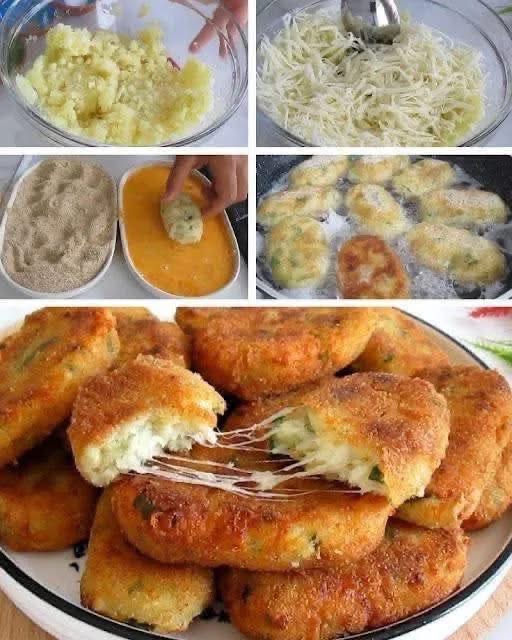
Cheesy Potato Patties 😋 – Crispy, Golden, and Irresistibly Cheesy If you’re looking for a high-RPM comfort food recipe that gets clicks, saves, and repeat cooks, Cheesy Potato Patties are a guaranteed winner. Crispy on the outside, soft and fluffy on the inside, and loaded with melty cheese—this recipe checks every box readers love: easy…
-
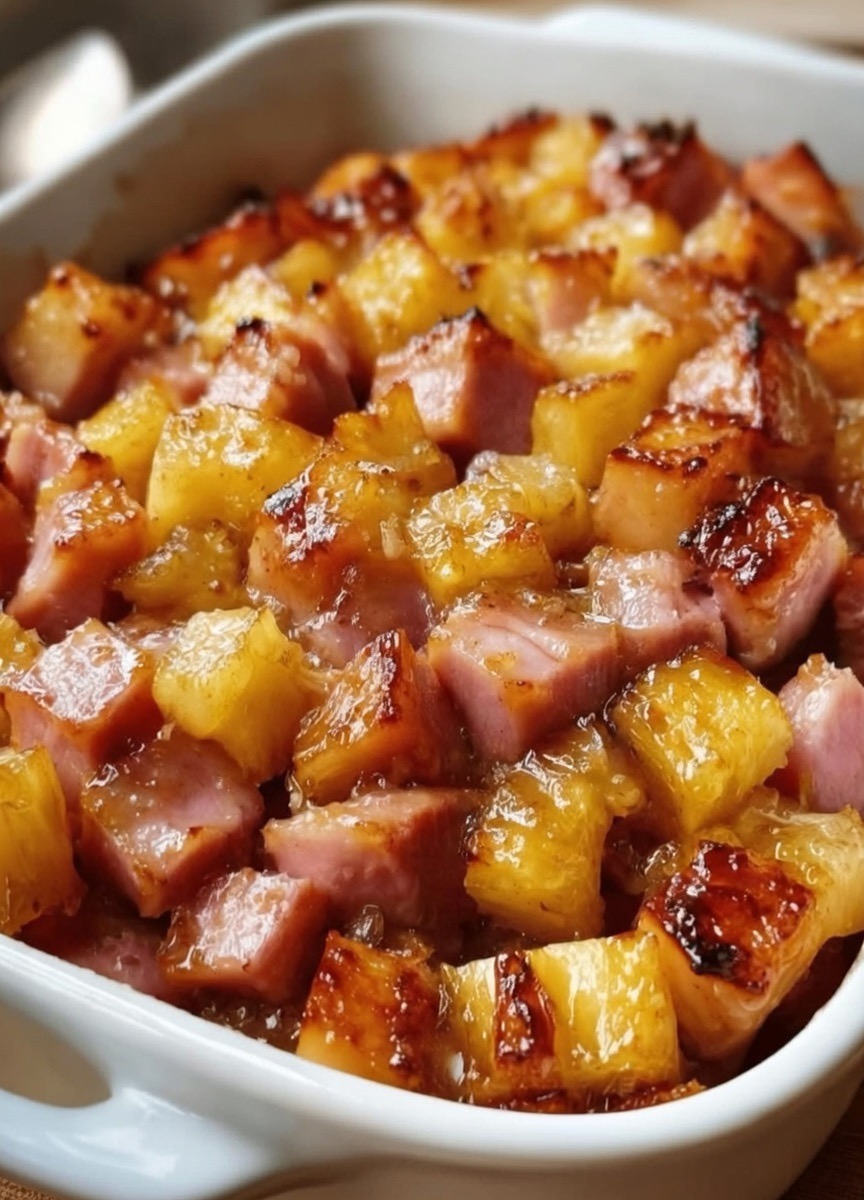
Brown Sugar Pineapple Ham Bake 😋 – The Ultimate Sweet & Savory Comfort Dish If you’re searching for a high-RPM, comfort-food recipe that people love clicking, saving, and cooking again and again, this Brown Sugar Pineapple Ham Bake is it. Sweet, sticky brown sugar. Juicy pineapple. Tender, savory ham. Baked together into one irresistible dish…
-

Angel Chicken Pasta – The Creamy Comfort Food That Everyone Loves
Few dishes feel as comforting, indulgent, and crowd-pleasing as Angel Chicken Pasta. This creamy, slow-cooked chicken pasta recipe has earned its name because it’s truly heavenly—rich, velvety sauce, tender chicken, and perfectly cooked pasta all coming together in one unforgettable meal. Angel Chicken Pasta is one of those recipes that never goes out of style.…