
There’s a moment in every home baker’s journey—a clear before and after. It’s the moment you pull a loaf of bread from your own oven that doesn’t just look good, but smells like a memory, feels like a cloud, and tastes like pure, simple perfection. You slice into it, hear that soft, tender crumb sound, and think, “I made this.” And then, with absolute certainty, you know: “First time making, but won’t be the last.”
This is the promise of Amish White Bread. This isn’t just a recipe; it’s a revelation. It’s the gentle, forgiving, and profoundly rewarding introduction to the world of yeast breads. It answers the question so many ask: “How do I make soft, sweet, store-bought-style bread at home?” The answer is deceptively simple, rooted in the timeless, practical wisdom of Amish kitchens. It’s a bread of humble ingredients transformed into something extraordinary: a loaf so soft it seems to melt, with a hint of sweetness, a golden, slightly chewy crust, and a fluffy, pillowy interior that makes it the ultimate vehicle for butter, jam, or simply eaten plain.
If you’ve ever been intimidated by sourdough starters, frustrated by dense loaves, or disappointed by bland homemade bread, this recipe is your turning point. It is, without exaggeration, the best homemade white bread recipe for beginners and a cherished staple for experienced bakers. It’s the culinary equivalent of a warm, reassuring hug. Let’s understand why this specific formula works so magically, and then we’ll bake it together.
The Alchemy of Simplicity: Science in Four Ingredients
The genius of this Amish White Bread lies in its perfect balance. Each ingredient plays a specific, non-negotiable role in creating that iconic texture and flavor.
The Liquid Foundation: Warm Water (110°F/43°C). Temperature is everything. Water that’s too cold won’t wake the yeast; water that’s too hot will kill it. 110°F is the yeast’s sweet spot—warm to the touch but not hot. This creates the ideal environment for the yeast to feast and produce the carbon dioxide gas that makes the bread rise.
The Engine: Active Dry Yeast. Yeast is a living organism. When hydrated with warm water and fed by the sugar, it becomes active, multiplying and producing gas bubbles that get trapped in the gluten network. This is what makes the bread light and airy.
The Tenderizer & Flavor Enhancer: White Sugar. Sugar does three crucial jobs here. First, it’s food for the yeast, giving it the energy to produce a strong, steady rise. Second, it tenderizes the crumb by interfering with gluten formation, ensuring a soft, not chewy, texture. Third, it provides that signature, subtle sweetness that defines this bread and promotes a beautiful, golden-brown crust through caramelization in the oven.
The Strengthener: Salt. Salt is the regulator. It strengthens the gluten network, giving the bread structure and a better crumb. Crucially, it also controls yeast activity, preventing it from going wild and producing off-flavors. It deepens the overall flavor profile, balancing the sweetness perfectly.
The magic happens when these four elements combine with flour and fat (which we’ll add) to create a dough that is both resilient and supple—a joy to work with. Now, let’s build the complete recipe.
The Complete, Foolproof Amish White Bread Recipe
Prep Time: 20 mins (active) | Rise Time: 1.5 – 2 hours | Bake Time: 30 mins | Total Time: 2.5 – 3 hours
Yield: 2 perfect 9×5-inch loaves
Category: Baking, Bread, Side Dish
Skill Level: Beginner
Ingredients:
· 2 cups warm water (around 110°F or 43°C)
· 2/3 cup white granulated sugar
· 1 ½ tablespoons active dry yeast (2 standard packets)
· 1 ½ teaspoons salt
· ¼ cup neutral oil (like vegetable, canola, or avocado oil)
· 5 ½ – 6 cups all-purpose flour, divided (plus more for dusting)
· 2 tablespoons softened butter (for brushing baked loaves)
Equipment:
· Large mixing bowl (or stand mixer with dough hook)
· Measuring cups and spoons
· Wooden spoon or silicone spatula
· Clean kitchen towel or plastic wrap
· 2 x 9×5-inch loaf pans
· Cooking spray or extra oil for greasing
· Instant-read thermometer (optional but helpful)
Proof the Yeast (The “Blossoming”):
In your large mixing bowl, combine the warm water, sugar, and active dry yeast. Stir gently to dissolve. Let this mixture sit undisturbed for 5-10 minutes. You are looking for it to become foamy, frothy, and creamy—this is called “proofing” and confirms your yeast is alive and active. It should look like a light beer head. If nothing happens after 10 minutes, your yeast may be old or the water was the wrong temperature; start over.
Build the Dough:
To the yeasty, foamy mixture, add the salt and oil. Stir to combine. Now, begin adding the flour, one cup at a time, stirring with a wooden spoon after each addition. After about 5 cups, the dough will start to pull away from the sides of the bowl and become shaggy and difficult to stir.
Knead to Perfection:
Turn the shaggy dough out onto a lightly floured surface. Begin kneading, adding the remaining ½ to 1 cup of flour as needed to prevent excessive sticking. Knead for 8-10 minutes by hand (or 5-7 minutes on medium speed with a stand mixer dough hook). You are done kneading when the dough is:
Step-by-Step Instructions:
· Smooth and elastic (it springs back when you poke it).
· Slightly tacky but not sticky. It should clean the bowl and your hands.
· Passes the “windowpane test”: Stretch a small piece of dough gently between your fingers. If you can stretch it thin enough to see light through it without it tearing immediately, your gluten is well-developed. This is the secret to a tall, fine-crumbed loaf.
The First Rise (Bulk Fermentation):
Place the smooth dough ball in a large, lightly oiled bowl. Turn it once to coat all sides in oil. This prevents a dry skin from forming. Cover the bowl tightly with a damp kitchen towel or plastic wrap.
Place it in a warm, draft-free spot. Ideal locations: an oven with the light on (but OFF), on top of the refrigerator, or a sunny countertop.
Let the dough rise until doubled in size, about 1 hour. The time can vary based on kitchen temperature. Don’t watch the clock; watch the dough.
Shape the Loaves:
Punch down the risen dough gently to deflate it. This releases large air bubbles and redistributes the yeast. Turn it out onto a lightly floured surface.
Divide the dough into two equal pieces. To shape each into a loaf:
· Flatten the piece into a rough rectangle, about 9 inches long.
· Tightly roll the rectangle up from the short end, like a jelly roll.
· Pinch the final seam and the ends closed.
· Place each roll, seam-side down, into two greased 9×5-inch loaf pans.
The Second Rise (Proofing):
Cover the pans with the towel again. Let the shaped loaves rise in a warm place until they have crested about 1 inch above the rim of the pan. This usually takes 30-45 minutes. Meanwhile, preheat your oven to 350°F (175°C).
Bake to Golden Glory:
Once risen, place the loaf pans in the preheated oven, spaced apart for air circulation. Bake for 25-30 minutes. The bread is done when:
· The tops are a deep, golden brown.
· The loaves sound hollow when tapped on the bottom.
· The internal temperature reads 190°F (88°C) on an instant-read thermometer (the most reliable test).
The Final, Crucial Step:
Immediately upon removing the loaves from the oven, brush the tops with softened butter. This gives them a beautiful sheen, keeps the crust soft, and adds an extra layer of flavor.
Let the loaves cool in the pans for 5-10 minutes, then transfer them to a wire rack to cool completely before slicing. This prevents a gummy crumb.
PRO TIP: For an extra-soft, bakery-style crust, after brushing with butter, drape a clean kitchen towel over the cooling loaves. This traps steam and keeps the crust tender.
Your Bread-Baking Success Guide: Tips, Tricks & Science
Mastering this recipe means understanding its nuances. Here’s how to guarantee perfection and make it your own.
The Golden Rules for Foolproof Bread:
· Yeast is Key: Ensure your yeast is fresh. Check the expiration date. Proofing (Step 1) is non-negotiable for beginners—it’s your insurance policy.
· Flour is a Guideline: The exact amount of flour can vary due to humidity. Add the last cup gradually. The dough should be soft and slightly tacky, not dry and stiff. A wetter dough makes a softer, lighter bread.
· Patience is an Ingredient: Don’t rush the rises. Let the dough tell you when it’s ready (doubled in size). A slow rise develops better flavor.
Troubleshooting Common Issues:
· Dense, Heavy Bread: Likely under-kneaded (gluten not developed) or over-proofed (yeast exhausted). Use the windowpane test and watch the dough, not the clock.
· Bread Didn’t Rise: Yeast was dead (didn’t proof), liquid was too hot, or the rising spot was too cold.
· Tough Crust: Bread was over-baked or not covered/buttered while cooling.
· Crumbly Texture: Too much flour was used during kneading and shaping.
High-RPM Adaptations & Variations:
· Whole Wheat Amish Bread: Substitute up to 50% of the all-purpose flour with whole wheat flour. You may need an extra 2-4 tablespoons of water, as whole wheat absorbs more liquid.
· Honey Amish Bread: Replace the white sugar with ½ cup of honey. Add it with the wet ingredients. Honey bread browns faster, so tent with foil if needed during baking.
· Cinnamon Raisin Swirl Bread: After the first rise, roll each dough portion into a large rectangle. Brush with melted butter, then sprinkle heavily with a mix of cinnamon and sugar (and raisins). Roll up, seal, and bake as directed.
· Bread Machine Method: Add liquid ingredients first, then dry, with yeast last. Use the “dough” setting. After the cycle finishes, shape, do the second rise in pans, and bake.
Storage & Freezing for Lasting Freshness:
· Room Temperature: Store completely cooled loaves in a plastic bag or bread box at room temperature for up to 4 days.
· Freezing for Long-Term: This bread freezes magnificently. Wrap the completely cooled loaf (or slices) tightly in plastic wrap, then in foil or a freezer bag. Freeze for up to 3 months. Thaw at room temperature or toast directly from frozen.
Frequently Asked Questions (Targeting Long-Tail Searches)
Q: Can I use instant yeast instead of active dry yeast?
A: Yes! You can use an equal amount of instant yeast. The key difference: you can skip the proofing in water step (Step 1). Simply mix the instant yeast directly with the flour. Your first rise time may be slightly shorter.
Q: Why is my Amish bread so sweet? Can I reduce the sugar?
A: The sugar is a hallmark of this recipe, providing tenderness, food for the yeast, and flavor. You can reduce it to ½ cup without major issues. Reducing it further may result in a denser crumb and less browning. Do not eliminate it entirely.
Q: What’s the best way to get a soft crust?
A: The butter brush right after baking is the #1 trick. Additionally, baking at the correct temperature (not too high) and covering the cooling loaves with a towel will ensure a beautifully soft, tender crust.
Q: Can I make this into dinner rolls?
A: Absolutely! This is a fantastic soft dinner roll recipe. After the first rise, punch down and divide the dough into 24 equal pieces. Shape into balls, place in a greased 9×13 pan, let rise until puffy, and bake at 350°F for 15-20 minutes. Brush with butter.
Q: My kitchen is cold. How can I help the dough rise?
A: Create a “proofing box.” Place a heat-safe bowl of boiling water on the bottom rack of your turned-OFF oven. Place the covered dough bowl on the rack above it. The gentle, moist heat is perfect for rising.
Conclusion: The Loaf That Builds Confidence
This Amish White Bread is more than sustenance; it’s a teacher. It teaches patience as you wait for the rise. It teaches feel as you knead the dough to the perfect consistency. And most importantly, it teaches triumph, as you pull those majestic, golden loaves from your oven, filling your home with an aroma that spells love, comfort, and accomplishment.
It is the foundational recipe that will give you the courage to try cinnamon bread, sandwich loaves, and beyond. It is the humble, perfect white bread that turns a house into a home. It’s the reason you’ll say, with pride and joy, “I don’t think I have ever made a bread with more flavor,” because the flavor of success is the sweetest of all.
Now, go preheat that oven and proof that yeast. Your baking journey—and the most rewarding sandwiches and toast of your life—awaits.
We’d love to see your bake! Share your triumphant loaves and tag them with #AmishBreadMagic. Tell us, what’s your favorite way to enjoy it?
-

Cheesy Potato Patties 😋 – Crispy, Golden, and Irresistibly Cheesy If you’re looking for a high-RPM comfort food recipe that gets clicks, saves, and repeat cooks, Cheesy Potato Patties are a guaranteed winner. Crispy on the outside, soft and fluffy on the inside, and loaded with melty cheese—this recipe checks every box readers love: easy…
-
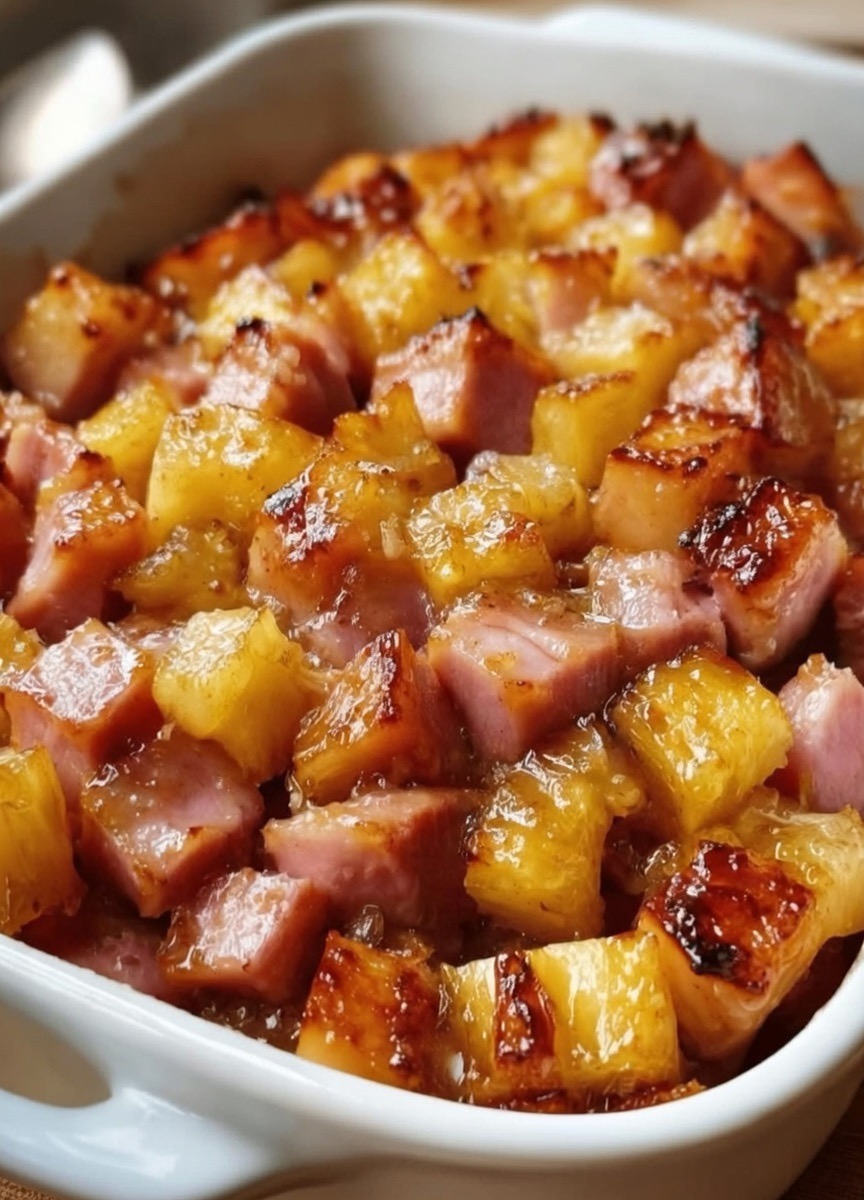
Brown Sugar Pineapple Ham Bake 😋 – The Ultimate Sweet & Savory Comfort Dish If you’re searching for a high-RPM, comfort-food recipe that people love clicking, saving, and cooking again and again, this Brown Sugar Pineapple Ham Bake is it. Sweet, sticky brown sugar. Juicy pineapple. Tender, savory ham. Baked together into one irresistible dish…
-

Angel Chicken Pasta – The Creamy Comfort Food That Everyone Loves
Few dishes feel as comforting, indulgent, and crowd-pleasing as Angel Chicken Pasta. This creamy, slow-cooked chicken pasta recipe has earned its name because it’s truly heavenly—rich, velvety sauce, tender chicken, and perfectly cooked pasta all coming together in one unforgettable meal. Angel Chicken Pasta is one of those recipes that never goes out of style.…