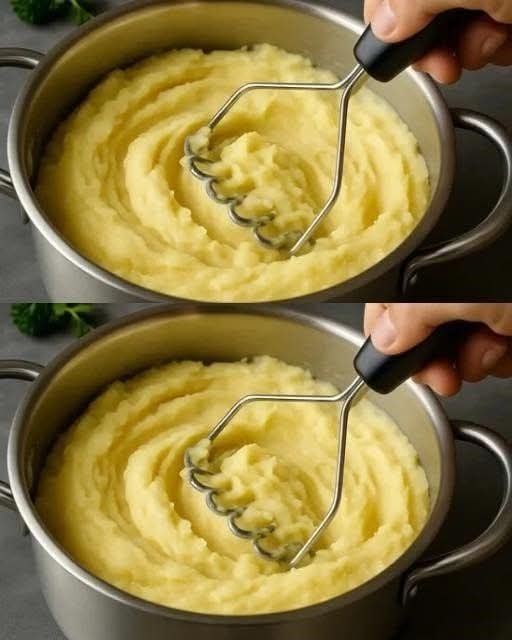
For generations, the image of making mashed potatoes has been etched in our collective culinary memory: boil, drain, pour in a glug of milk, maybe a pat of butter, and mash into submission. It’s a ritual as familiar as the holiday table it graces. Yet, for all its comforting tradition, this method consistently yields a result that professional chefs quietly bemoan: mashed potatoes that are often bland, gluey, perilously close to paste, or—worst of all—watery and forgettable. A piece of wisdom now circulating from professional kitchens carries the force of a revelation: “Stop adding milk or water to your mashed potatoes!” This isn’t a minimalist trend or a purist’s whim; it is a fundamental correction based on the science of starch, fat, and flavor. It’s the key to transforming a humble side dish into a sublime, silken cloud that can stand shoulder-to-shoulder with the most expensive cut of meat on the table. This is the story of why the old way fails and the detailed, foolproof guide to the better way.
The Problem: How Dilution Became Tradition
To understand the chef’s decree, we must first diagnose the flaws inherent in the milk-and-water method. The issues are twofold: texture and flavor dilution.
The Texture Trap: Potatoes, particularly Russets and Yukon Golds, are packed with starch granules. When cooked, these granules swell and absorb water, becoming soft. When you mash them, the cells rupture, releasing a sticky, gelatinous starch. Introducing cold milk or, worse, plain water to these hot, broken-down starches is a shock to the system. The liquid doesn’t integrate smoothly; it gets trapped in a sticky matrix, encouraging overmixing as one tries to achieve homogeneity. This overworking is the direct path to gluey, gummy potatoes—a texture that feels heavy on the palate. Milk, with its proteins and sugars, can further exacerbate this if heated improperly, leading to a consistency reminiscent of school cafeteria paste rather than fine dining.
The Flavor Theft: This is the more insidious crime. The flavor profile of a perfectly cooked potato is a subtle, earthy, slightly sweet marvel. When you add a cup of milk or water, you are literally diluting that flavor. You are replacing the essence of potato with a bland, neutral liquid. The result is a bowl of white paste that tastes of dairy and salt, not of potato. You then find yourself in a vicious cycle of over-seasoning, trying to claw back flavor that was washed away. The potato itself becomes a mere vehicle for butter and salt, its own character lost.
The chef’s insight cuts through this cycle. It states that mashed potatoes need only two things to achieve greatness: their own concentrated essence and fat. By eliminating the diluting liquids, you build intensity. By mastering the union of starch and fat, you create texture nirvana.
The Science of the Superior Mash: Starch, Fat, and Emulsion
The professional method isn’t just about omission; it’s about a smarter, more intentional application of physics and chemistry. It focuses on two champion ingredients: starch-laden cooking water and warm, luxurious fat.
The Power of the Potato’s Own Liquor:
When you boil potatoes,something magical happens in the water. The potatoes’ soluble starches, pectins, and flavors leach out, creating a pot of liquid gold. This starchy cooking water is intensely potato-flavored and thick with amylose and amylopectin. Discarding it is the first major mistake of the home cook. The chef saves this liquid and uses it judiciously to adjust the mash’s consistency. Why?
· It Reinforces Flavor: You are adding pure potato essence back into the dish, not a foreign, flavor-diluting agent.
· It Creates a Stable Emulsion: The starch molecules act as natural binders and emulsifiers, helping the fat (butter, cream) bind with the potato solids into a cohesive, smooth, and stable mixture that holds its texture beautifully on the plate without weeping or separating.
- The Reign of Warm Fat:
If starch is the body,fat is the soul. Replacing cold milk with gently warmed heavy cream, half-and-half, or browned butter is transformative.
· Seamless Integration: Warm fat flows easily and coats the hot, released starch granules evenly, preventing them from clumping together into gluey masses. This creates a luxurious, smooth mouthfeel.
· Flavor Carrier: Fat is a superb carrier of flavor. It amplifies the taste of the potato and any other seasonings, coating the tongue and delivering a rich, rounded sensation that water or milk cannot provide.
· The Butter Principle: Many chefs advocate for a ratio that seems extravagant to the home cook—often a pound of potatoes to a half-stick of butter or more. This isn’t indulgence for its own sake; it’s the understanding that butter (composed of fat, water, and milk solids) provides flavor, richness, and moisture in a perfectly balanced package. The milk solids brown for nuttiness, the water steams off, and the pure butterfat enrobes every molecule of potato.
The Glue Test: A simple experiment illustrates the point. Mix equal parts flour (starch) and water, and you get paste—gluey and dense. Now, mix equal parts flour and melted butter. You get a roux—sandy, but with the potential for smoothness when further liquid is added. The fat keeps the starch granules separate. Your mashed potatoes follow the same principle.
The Non-Negotiable Tool: Beyond the Potato Masher
The second pillar of the chef’s method is the rejection of the standard potato masher and, heaven forbid, the electric hand mixer in favor of tools that protect the starch.
· The Potato Masher’s Folly: A standard masher crushes and smashes, which is effective but uneven. It leaves lumps or, in trying to eliminate them, overworks the potatoes in some spots while leaving others underworked. It’s a blunt instrument.
· The Electric Mixer’s Crime: This is the fastest route to wallpaper paste. The rapid blades shear the starch granules apart, releasing maximum sticky gluten-like compounds and whipping in too much air, resulting in a gluey, elastic, and unpleasantly aerated product.
· The Champion: The Potato Ricer or Food Mill: This is the game-changer. A ricer gently forces cooked potato through small holes, creating fine, uniform rice-like strands. This achieves three things:
Perfect Smoothness: It eliminates every lump without applying the shearing force that overworks starch.
Aeration: It incorporates air lightly, giving a fluffy starting texture.
Skin Separation: If using a food mill, it automatically separates the skin, making it ideal for rustic dishes where you boil potatoes with skins on for flavor.
If you do not have a ricer, the best alternative is a food mill or, in a pinch, passing the potatoes through a fine-mesh sieve with the back of a ladle. Failing that, use the old-fashioned “fork and bowl” method for mashing with a gentle touch.
The Definitive Recipe: Chef-Style Mashed Potatoes
This recipe is a process, not just a list. Follow it with precision, and you will never look back.
Ingredients:
· 2.5 lbs (about 5-6 medium) Yukon Gold potatoes (for creamy texture and buttery flavor) or Russet potatoes (for maximum fluffiness)
· Kosher salt (for seasoning and water)
· 1 cup heavy cream or full-fat half-and-half
· 8 tablespoons (1 stick) high-quality unsalted butter, cut into pieces, plus 2 tbsp for finishing
· Freshly ground white pepper (for color, but black pepper is fine)
· Optional: 2-3 whole garlic cloves (peeled), fresh thyme or rosemary sprigs
Equipment:
· Large pot
· Potato ricer or food mill (highly recommended)
· Small saucepan
· Heatproof rubber spatula or wooden spoon
· Warm serving bowl
Step-by-Step Instructions:
Phase 1: Intentional Cooking & Seasoning
Peel and Cut: Peel the potatoes. For the most even cooking, cut them into uniform 1.5-inch chunks. The consistent size is critical—no small bits turning to mush while larger chunks remain hard.
Start Cold, Salt Generously: Place the potatoes in a large pot and cover with cold water by at least an inch. Why cold? It allows the potatoes to heat evenly from the outside in. Now, add a generous handful of kosher salt—about 2-3 tablespoons. This is your primary seasoning opportunity, as the potatoes will absorb salt from the inside out. The water should taste like the sea.
The Flavor Infusion (Optional): For an aromatic depth, add peeled whole garlic cloves and herb sprigs directly to the cooking water.
Simmer to Tenderness: Bring to a boil over high heat, then immediately reduce to a steady, gentle simmer. A rolling boil will cause the potatoes to break apart unevenly. Cook for 15-20 minutes, or until a paring knife slides into a potato chunk with no resistance.
Phase 2: The Strategic Setup
Reserve the Liquid Gold: Just before draining, carefully ladle out about 1 cup of the starchy cooking water into a cup or bowl. This is your secret weapon. Set aside.
Dry the Potatoes Thoroughly: Drain the potatoes in a colander. Let them sit and steam for a full 2-3 minutes, shaking occasionally. This evaporates surface moisture. Wet potatoes are the enemy of a fluffy, fat-absorbent mash.
Warm the Fat: While the potatoes dry, combine the heavy cream and the stick of butter in your small saucepan. Warm it over low heat until the butter is just melted and the mixture is hot to the touch (do not simmer or boil). If you used garlic/herbs in the boil, you can strain them out now or leave them in for extra flavor.
Phase 3: The Precision Assembly
Rice the Potatoes: Working in batches, pass the hot, dry potatoes through the potato ricer directly back into the warm, empty pot (off the heat) or into a large warmed bowl. The gentle pressure creates a light, snow-like pile of potato. If using a food mill, mill them into the bowl.
Incorporate the Fat: Pour about two-thirds of the warm cream-butter mixture over the riced potatoes. Using a spatula or wooden spoon, gently fold the mixture. Do not beat or stir vigorously. You are combining, not mixing. The warm fat will be readily absorbed.
Adjust with Starch, Not Water: Assess the consistency. For creamier potatoes, now begin adding the reserved starchy cooking water, a few tablespoons at a time, folding gently after each addition. This is how you control texture without dilution. You may not need all of it. The mash will become glossy and smooth.
Season to Sublime: Season with additional salt (you will need less than you think, thanks to the salted boil) and a generous amount of freshly ground pepper. Fold in the final 2 tablespoons of butter, allowing it to melt in streaks for a final hit of richness.
Serve Immediately: Transfer to a warmed serving bowl. Serve at once. These potatoes will hold their heat and texture remarkably well but are best enjoyed fresh.
Pro-Tier Variations & Enhancements
Once you’ve mastered the base, the world is your oyster.
· Pommes Aligot: The ultimate stretchy, cheesy French version. After incorporating the fat, vigorously stir in 2 cups of shredded Tomme de Laguiole, Cantal, or young Mozzarella cheese over very low heat until it forms a magnificent, stretchy pull.
· Robuchon-Style: The legendary dish from Joël Robuchon, known as the world’s best mashed potatoes. The ratio is shocking: equal parts potato and butter by weight. Silken, rich, and unforgettable.
· Garlic Confit Mash: Substitute the warm cream with warm cream infused with slow-poached garlic cloves, then mash the softened cloves right into the potatoes.
· Miso-Butter Mash: Whisk 2 tablespoons of white miso paste into the warm cream-butter mixture for an unbelievable umami depth.
· Horseradish & Chive: Fold in prepared horseradish and freshly snipped chives at the very end for a punchy accompaniment to prime rib.
Troubleshooting & Philosophical Notes
· Too Stiff? Your potatoes were likely too dry, or you didn’t add enough warm fat or starchy water. Correct by folding in more of the reserved cooking water, warmed.
· Too Loose/Watery? You either didn’t dry the potatoes enough after boiling or added too much liquid. The fix is delicate: return the mash to a low heat and stir gently to evaporate excess moisture, but beware of overworking.
· A Note on Make-Ahead: You can hold these potatoes in a heatproof bowl over a pot of barely simmering water (a bain-marie) for up to an hour. For longer, spread in a dish, dot with butter, cover, and reheat in a 300°F oven, fluffing gently before serving.
The chef’s mandate to stop adding milk or water is more than a recipe tweak; it’s a shift in philosophy. It moves mashed potatoes from the category of a “prepared side dish” to that of a proper sauce—an emulsified, balanced, flavor-forward creation. It asks you to respect the potato as a primary ingredient, not just a blank starch canvas. It demands you understand the role of fat not as an add-on, but as a fundamental structural and flavorful component.
In the end, this method gives you back the taste of potato, concentrated and exalted. It delivers a texture that is simultaneously rich and light, substantial yet ethereal. It turns a routine kitchen task into a small act of culinary artistry. So, the next time you stand at the stove, pot of boiled potatoes at the ready, resist the inherited reflex to reach for the milk carton. Reach instead for the butter, remember the golden starch water, and wield your ricer. You are not just making mashed potatoes; you are reclaiming their true, glorious potential.
More Recipes You Might Like
-
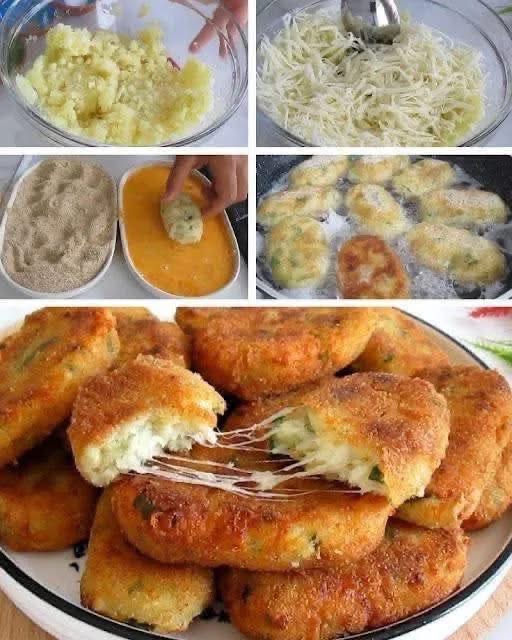
Cheesy Potato Patties 😋 – Crispy, Golden, and Irresistibly Cheesy If you’re looking for a high-RPM comfort food recipe that gets clicks, saves, and repeat cooks, Cheesy Potato Patties are a guaranteed winner. Crispy on the outside, soft and fluffy on the inside, and loaded with melty cheese—this recipe checks every box readers love: easy…
-
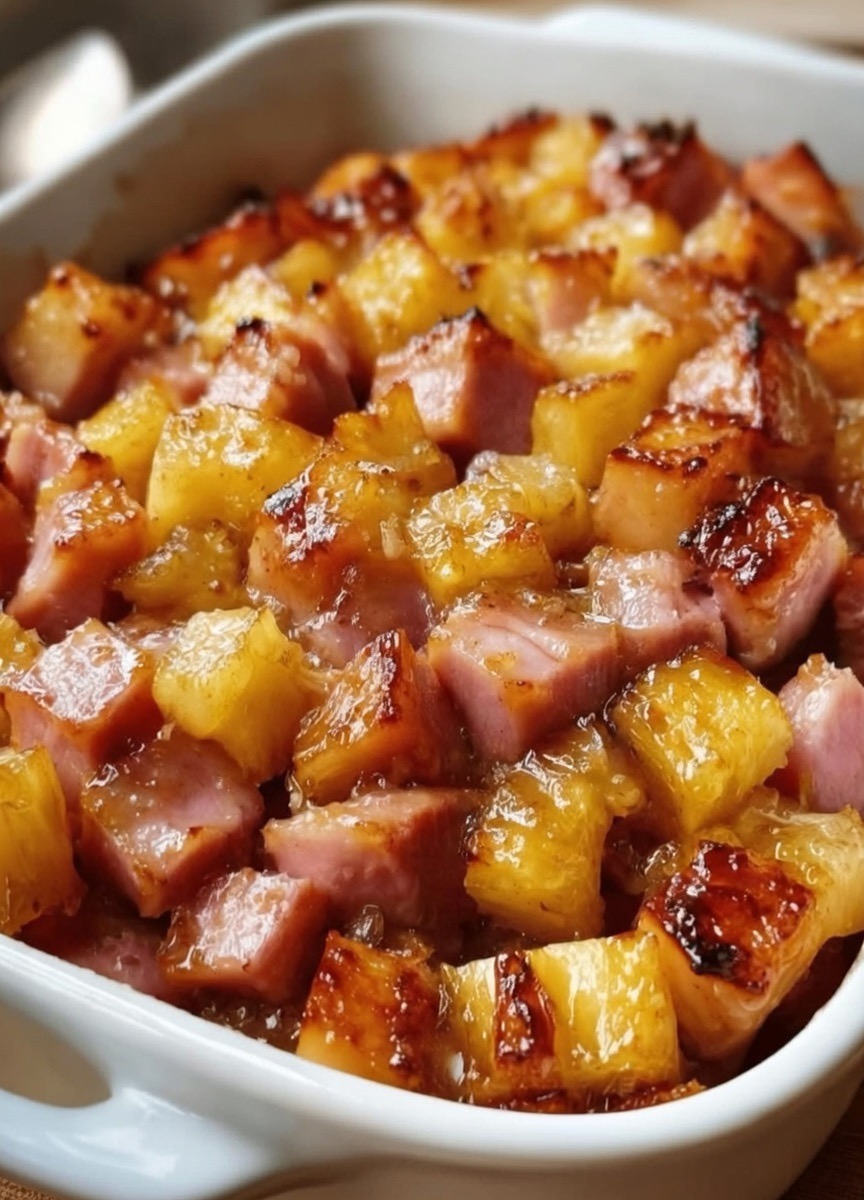
Brown Sugar Pineapple Ham Bake 😋 – The Ultimate Sweet & Savory Comfort Dish If you’re searching for a high-RPM, comfort-food recipe that people love clicking, saving, and cooking again and again, this Brown Sugar Pineapple Ham Bake is it. Sweet, sticky brown sugar. Juicy pineapple. Tender, savory ham. Baked together into one irresistible dish…
-
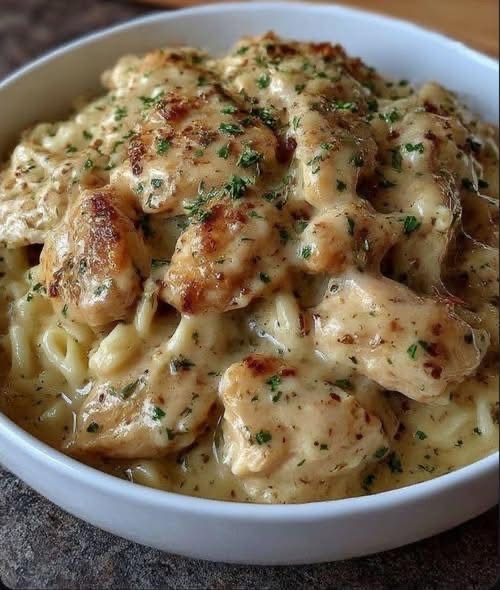
Angel Chicken Pasta – The Creamy Comfort Food That Everyone Loves
Few dishes feel as comforting, indulgent, and crowd-pleasing as Angel Chicken Pasta. This creamy, slow-cooked chicken pasta recipe has earned its name because it’s truly heavenly—rich, velvety sauce, tender chicken, and perfectly cooked pasta all coming together in one unforgettable meal. Angel Chicken Pasta is one of those recipes that never goes out of style.…